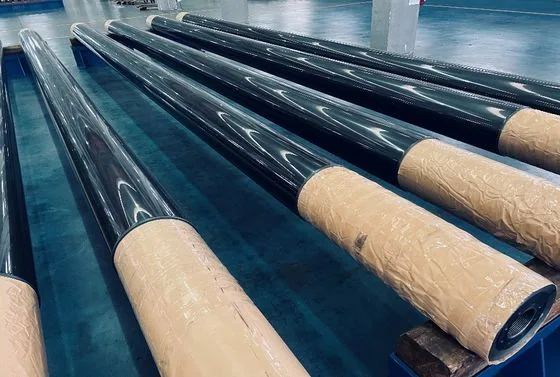
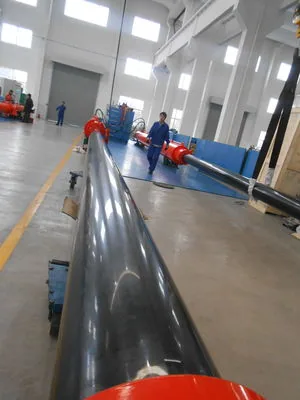
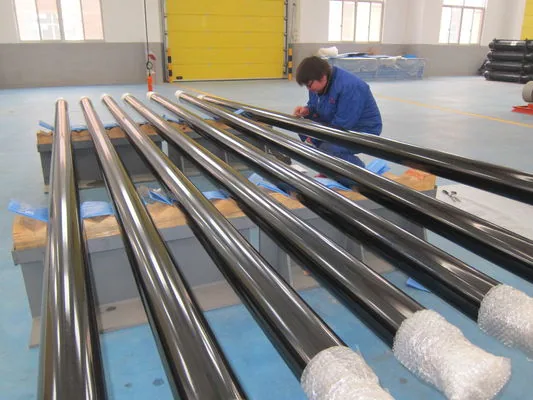
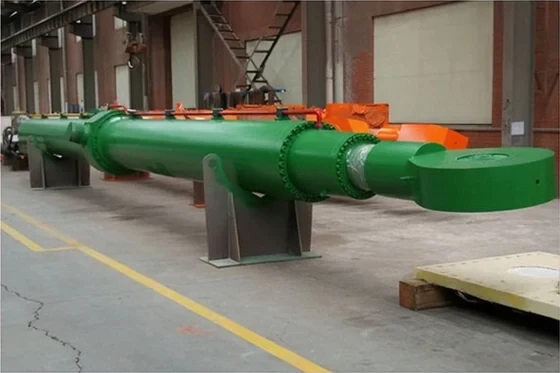
HVOF carbide, plasma ceramic and arc wire systems for cylinder rods and press rolls: 25 builds, 0.05 to 0.5 mm per side, bond strength to 70 MPa, ground before coating and diamond lapped after, with a per-batch report.

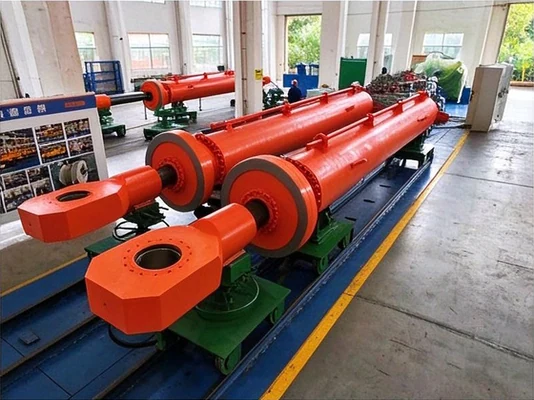
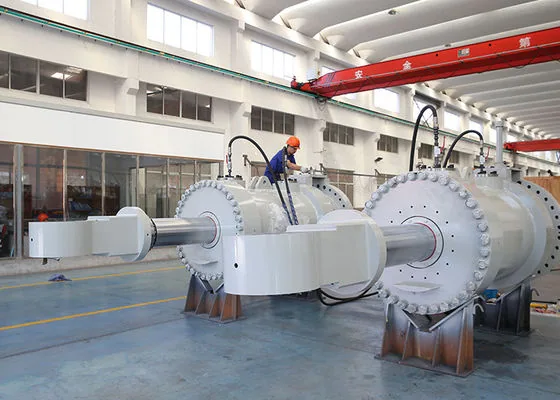
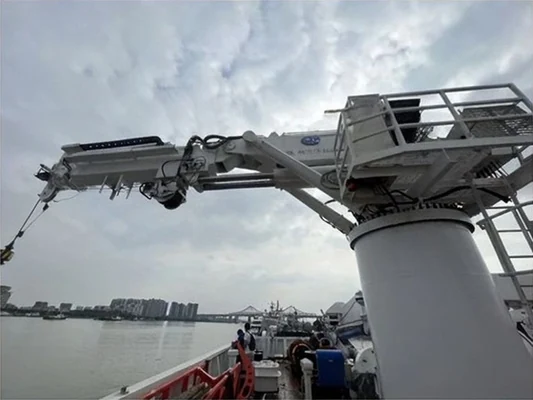
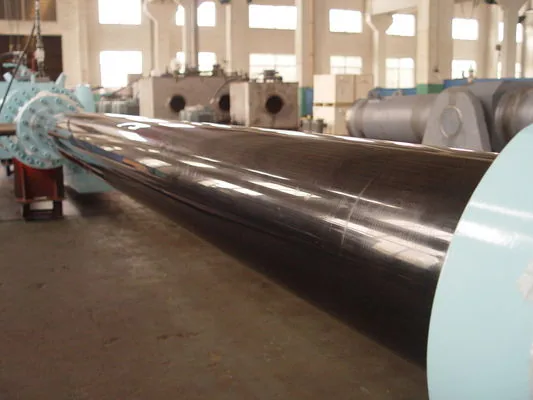
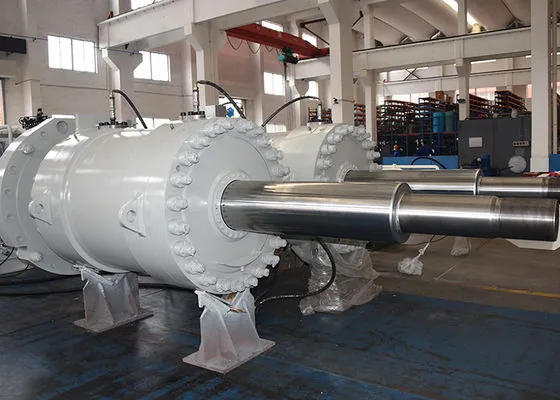
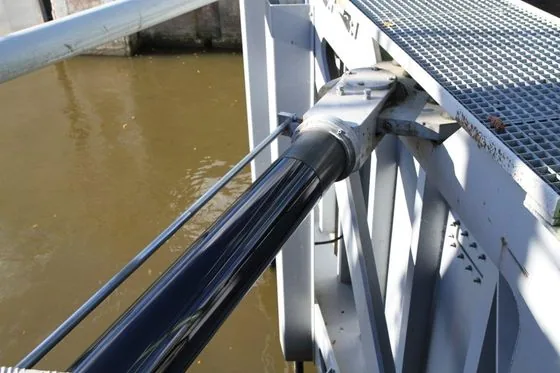
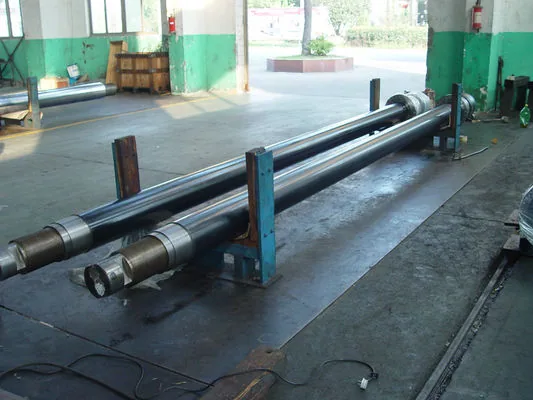
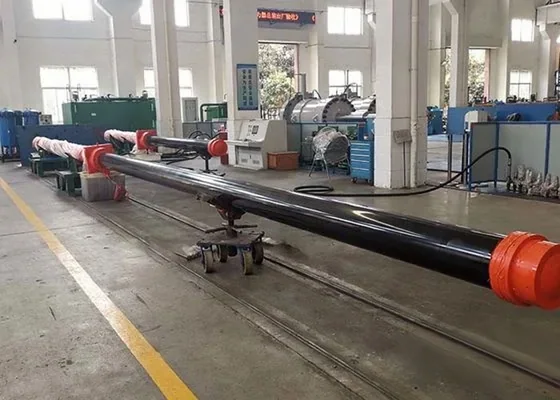
Coating is a line of its own here, not a bought-in service: HVOF WC-Co-Cr for wear, Cr2O3-TiO2 for corrosion and release, Ni-Cr as the bond layer under both. It runs on piston rods, paper mill and roller mill rolls, and on rods for hydropower and marine duty where hard chrome alone does not last.

HVOF WC-Co-Cr deposits at 150 to 400 um and 65 to 72 HRC: the choice for rods that see abrasive or impact load. Cr2O3-TiO2 is the oxide system, used where corrosion and release matter more than hardness, including doctor and printing rolls. Ni-Cr is the bond coat under either, which is what keeps a thick ceramic from spalling off a steel rod.
Each entry opens the product page; each page carries the size chart and full specifications for that build.

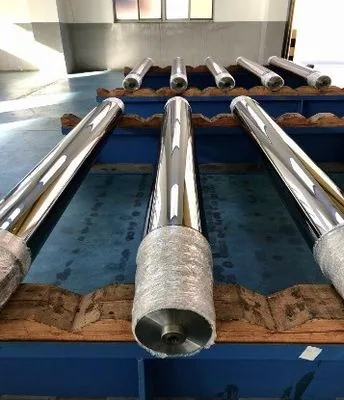
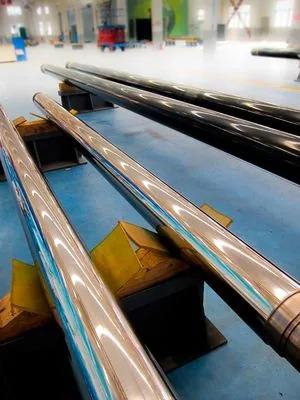
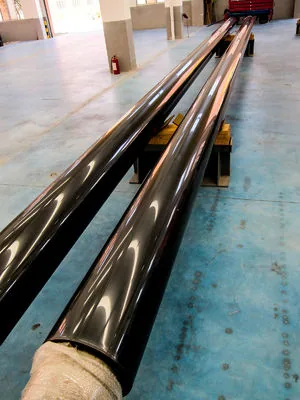
Sprayed coating on rods and rolls, ground to Ra 0.15 to 0.4 μm, bond strength over 40 MPa.
View details


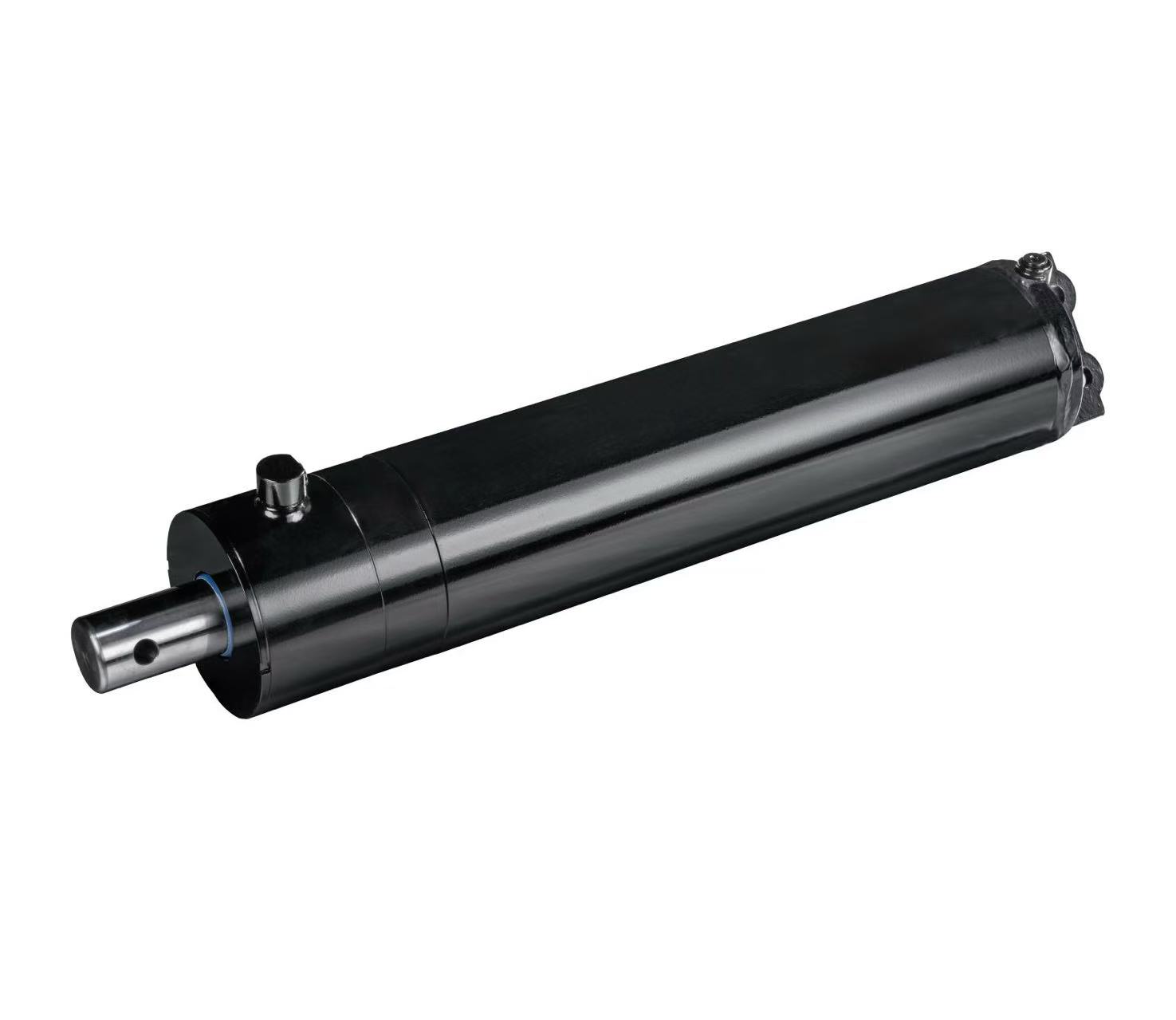
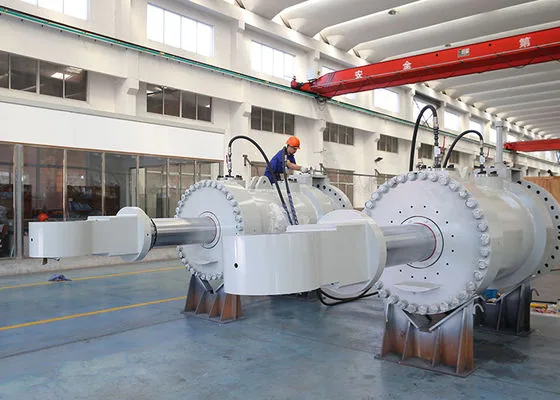
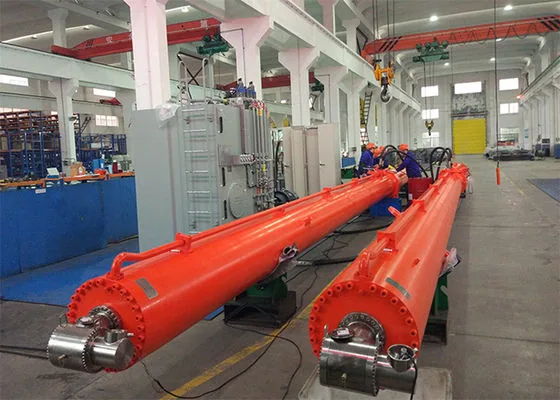
Built to working pressure 70-700 bar, bore 80 to 1,200mm. Custom.
View details
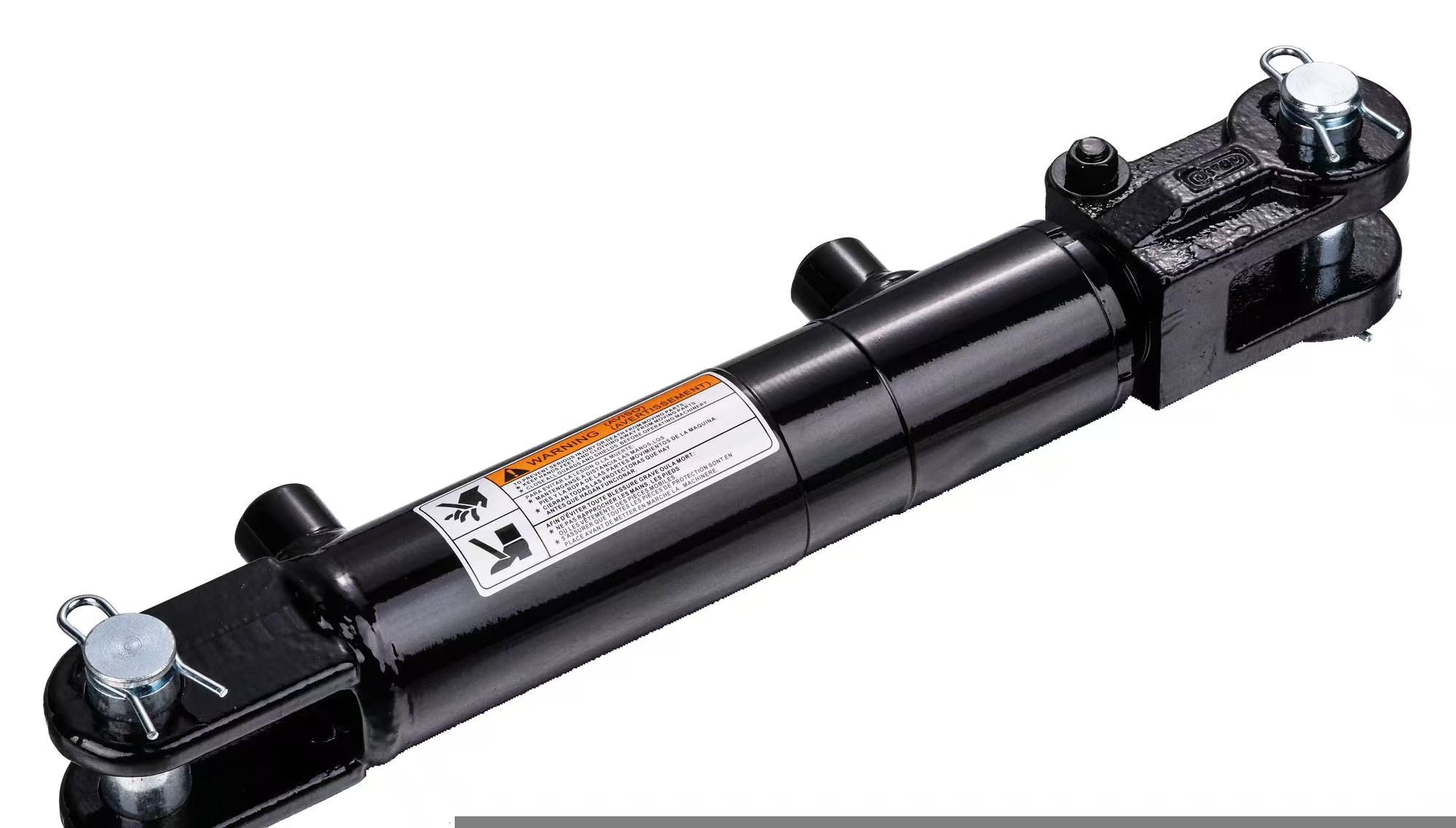
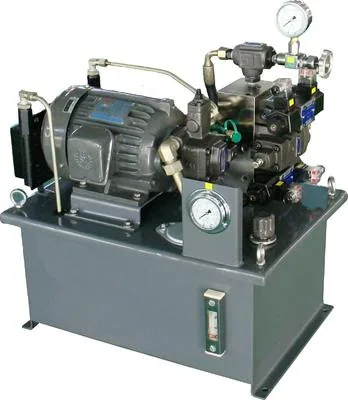
Custom bore, stroke and mounting to your.
View details
Built to working pressure 70-700 bar, bore 80 to 1 to.
View details


Sprayed coating on rods and rolls, ground to Ra 0.15 to 0.4 μm.
View details


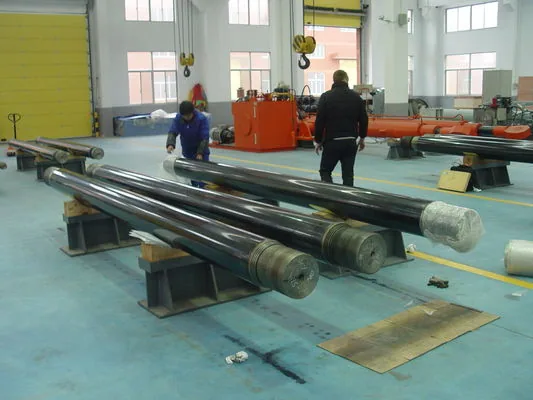
Working pressure 70 to 700 bar, bore 80 to 1,200 mm, stroke to your drawing. Tested before dispatch.
View details


Bond strength is checked to ASTM-C633, profile and roughness to NEN-ISO 4287, and thickness by micrometer on the finished part. Rods are ground and polished after spraying, so the finished diameter and the Ra are set after the coating, not before. Hard chrome remains the baseline for plain wear duty; the sprayed systems take over where chrome pits, where the environment is wet, or where the surface has to hold at temperature.
HVOF WC-Co-Cr, 150 to 400 um at 65 to 72 HRC, is the wear answer for rods in abrasive or impact duty.
The chrome is stripped first; the sprayed layer goes onto the prepared steel, not onto chrome.
Bond strength to ASTM-C633, profile to NEN-ISO 4287, and thickness on the finished diameter.
Yes. The coating line and the cylinder line are the same works, so a coated rod does not travel between suppliers.