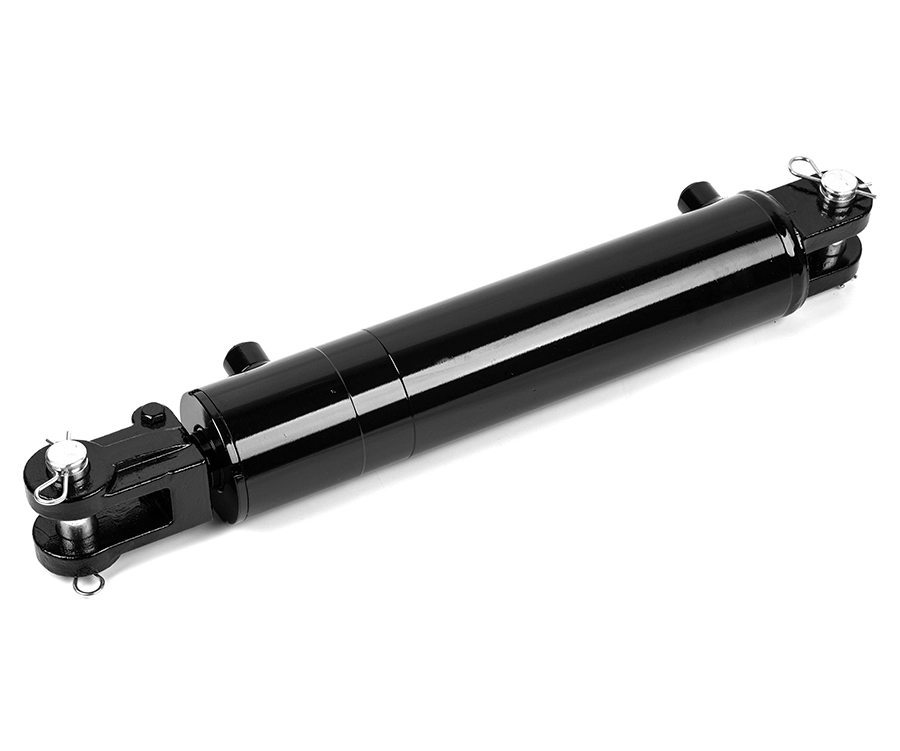
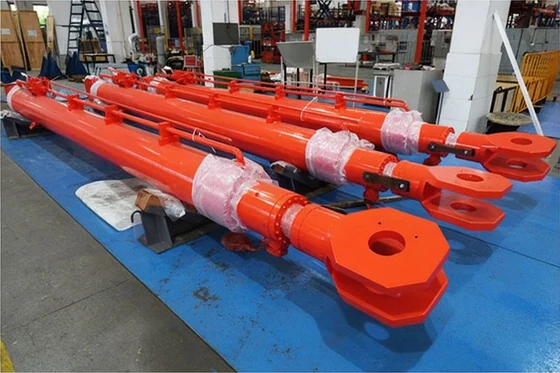
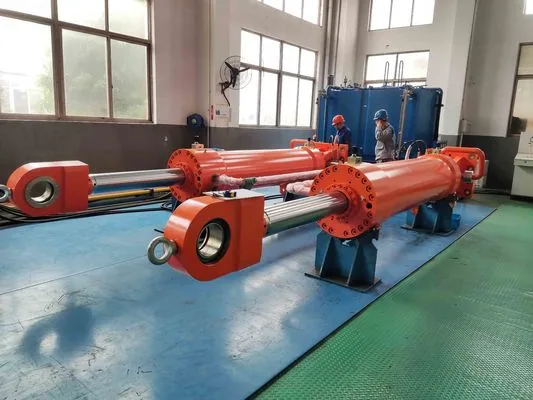
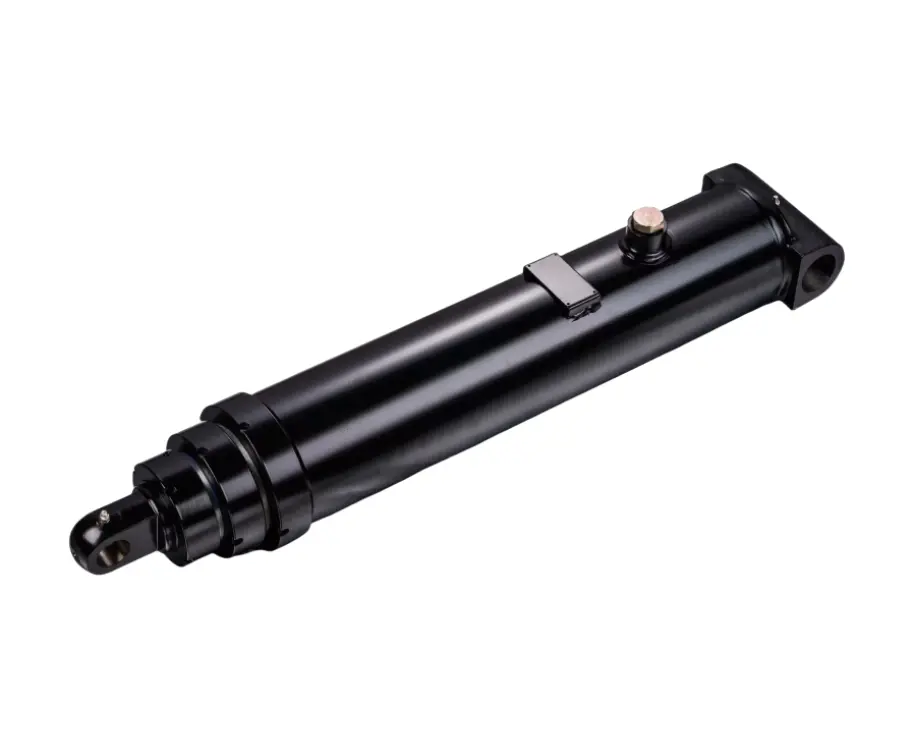
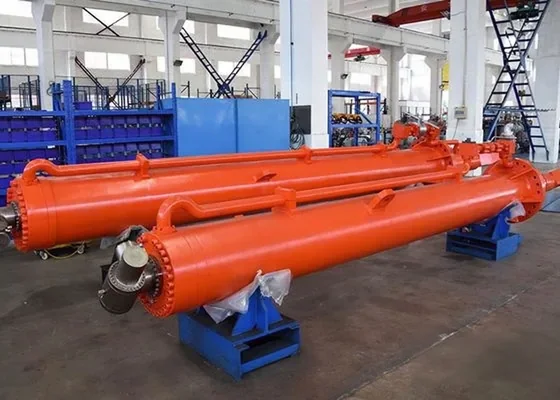
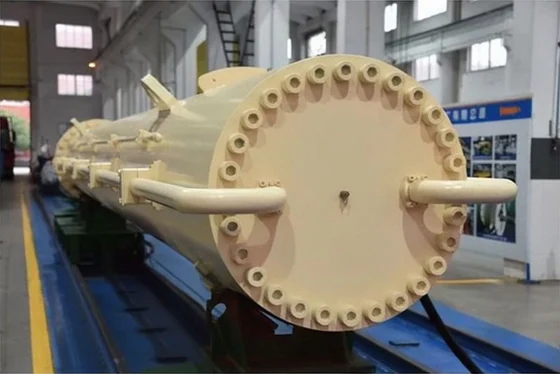
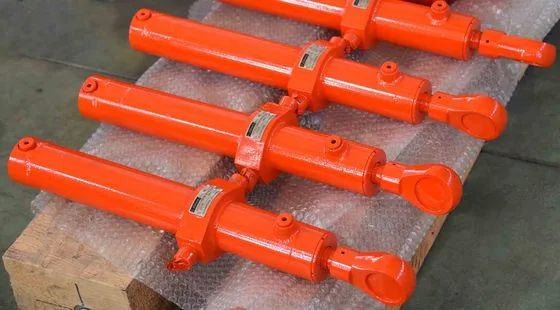
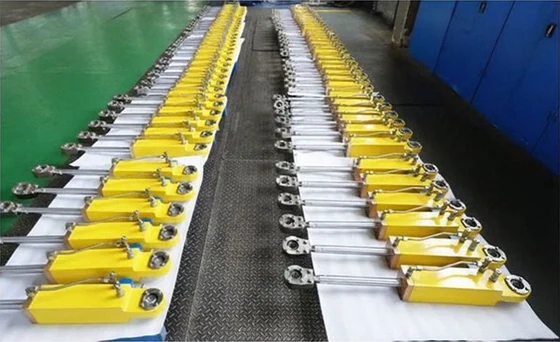
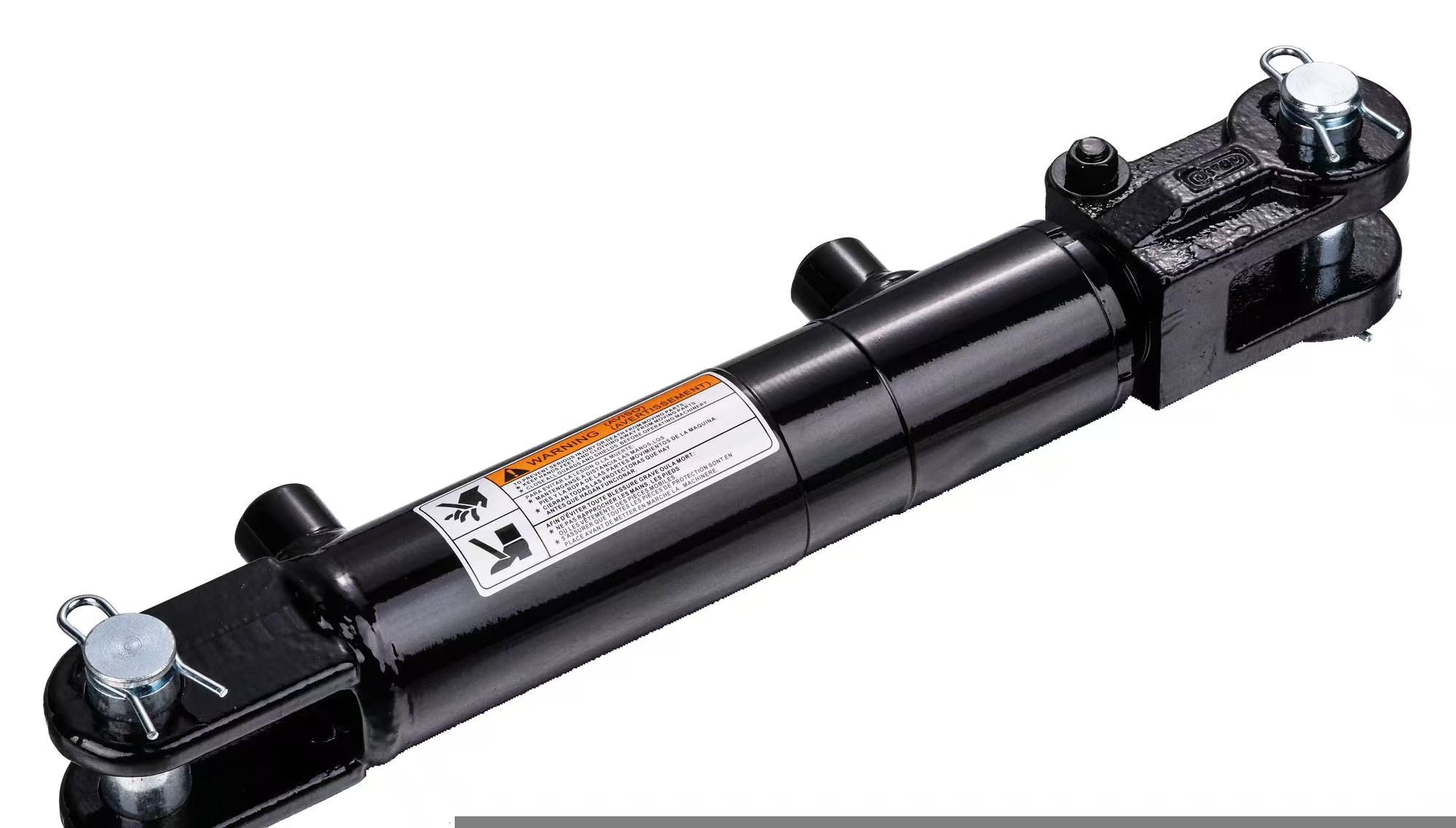
Four welded cylinder families at 3000 PSI: adjustable clevis, clevis, cross tube and pin eye. Bore 1.5 to 5 in, strokes 4 to 72 in, 412 part numbers across the four series. Hard chrome plated rod, honed tube, ductile iron piston and gland, Hallite seals manufactured to US specification, every unit pressure tested, 2-year warranty.
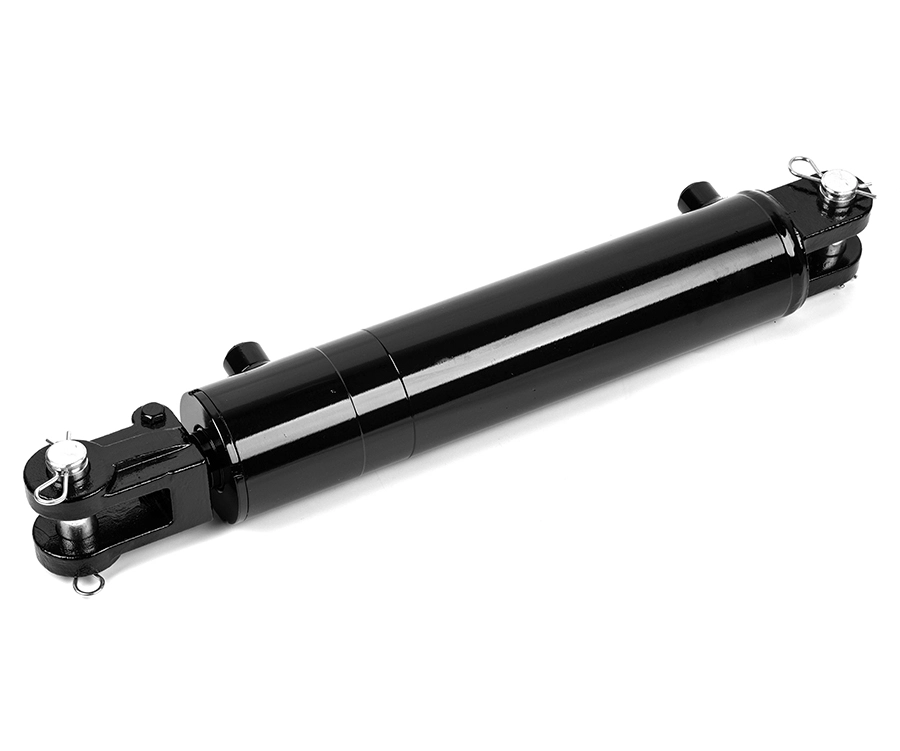
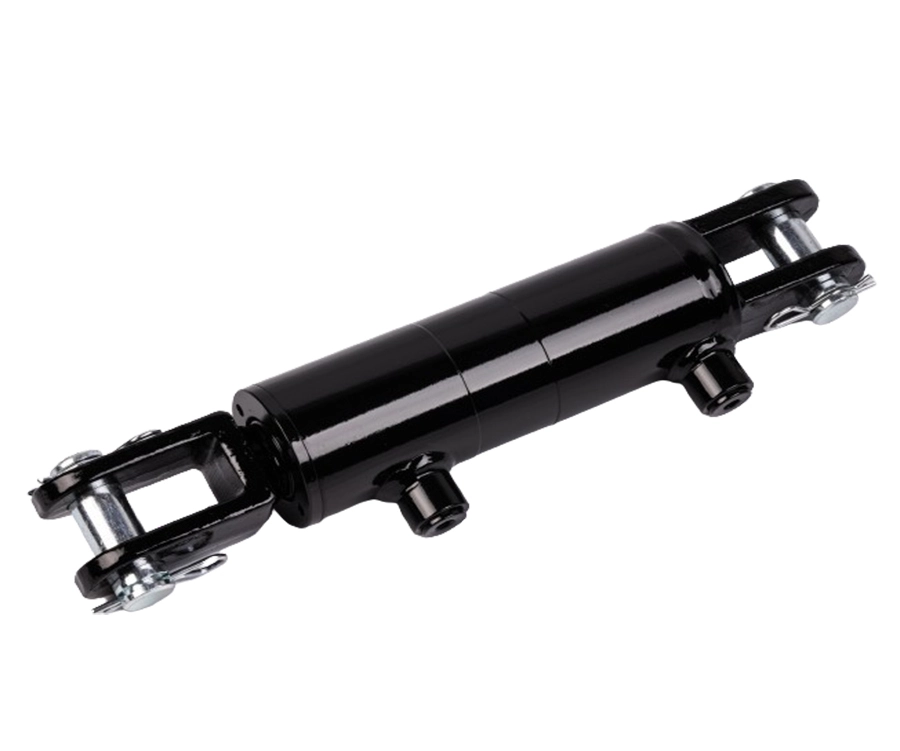
The ACL Clevis Welded Hydraulic Cylinder is a high-quality and durable hydraulic cylinder designed for various industrial applications. It offers reliable performance and efficient operation for optimal productivity.
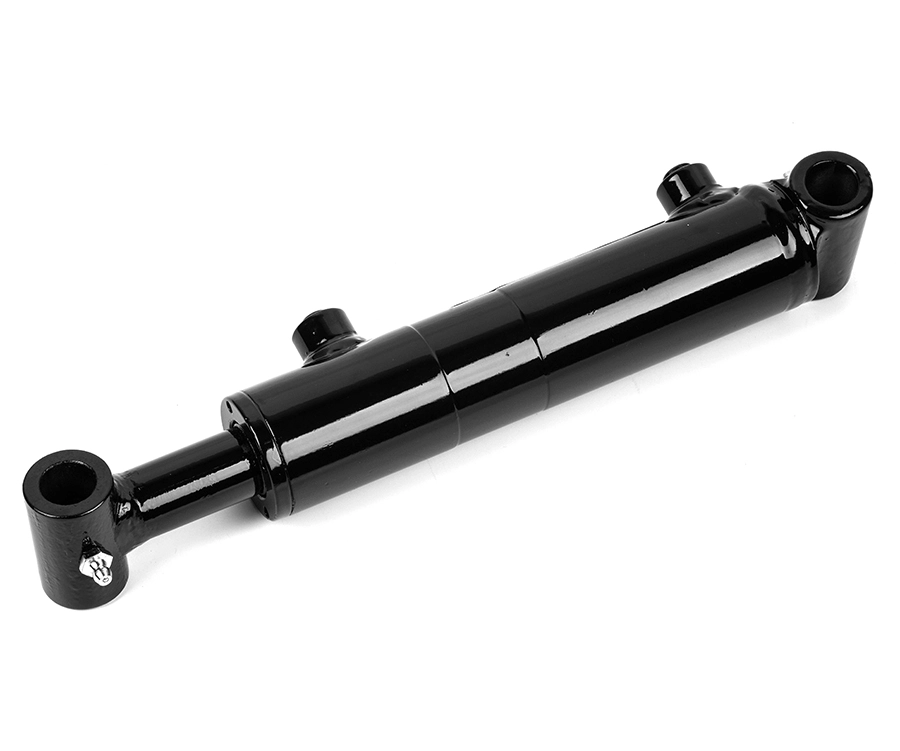
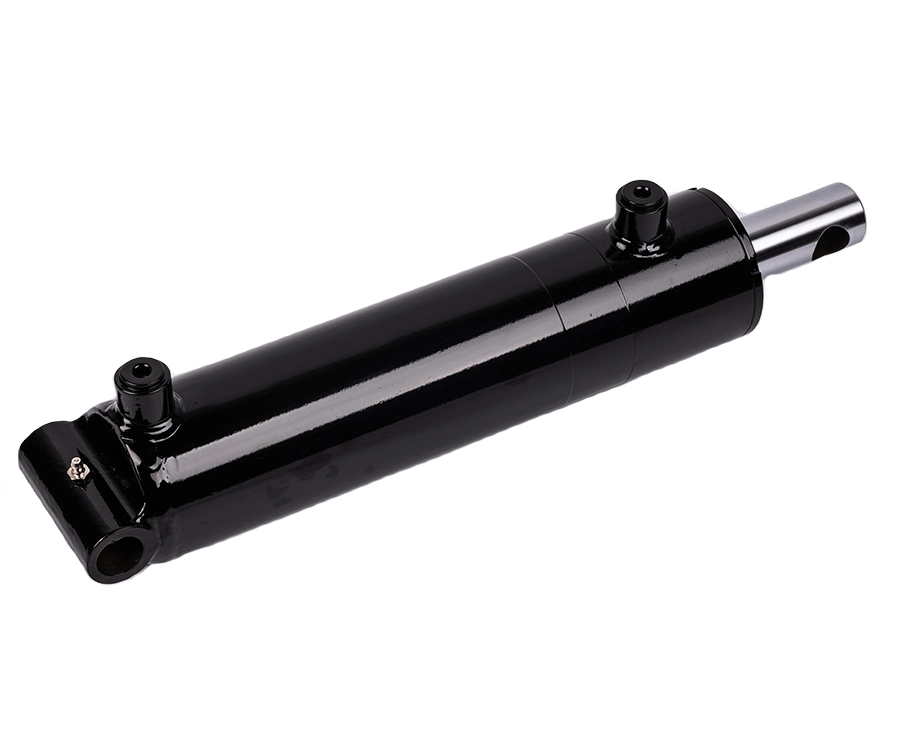
The WBU Cross-Tube Welded Hydraulic Cylinder is a robust and dependable hydraulic cylinder specifically engineered for demanding industrial applications. With its durable construction and efficient performance, it is the perfect choice for heavy-duty machinery and equipment.
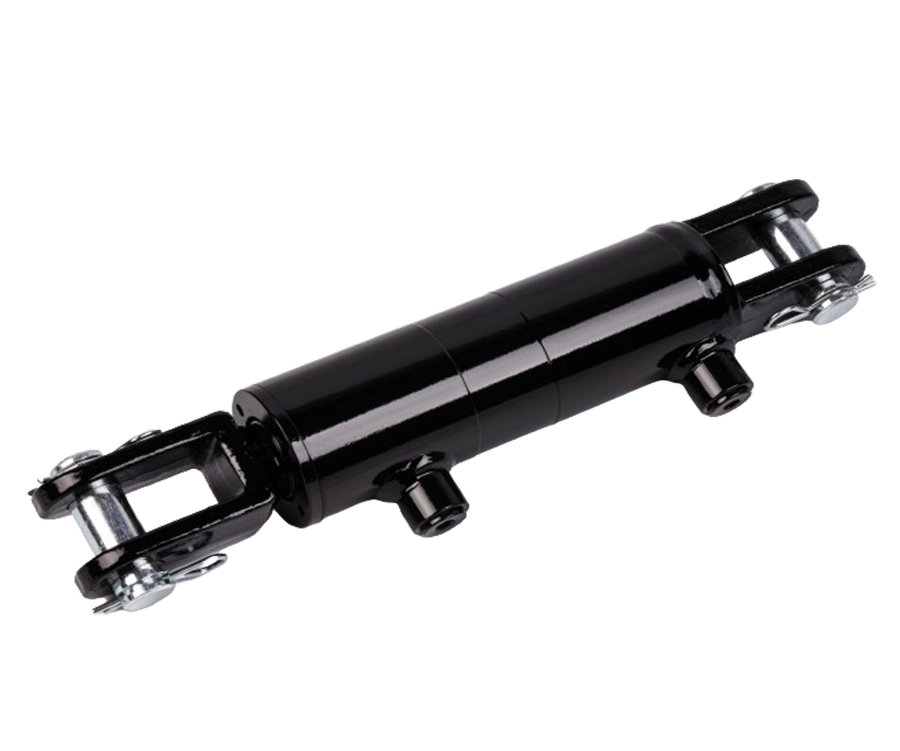
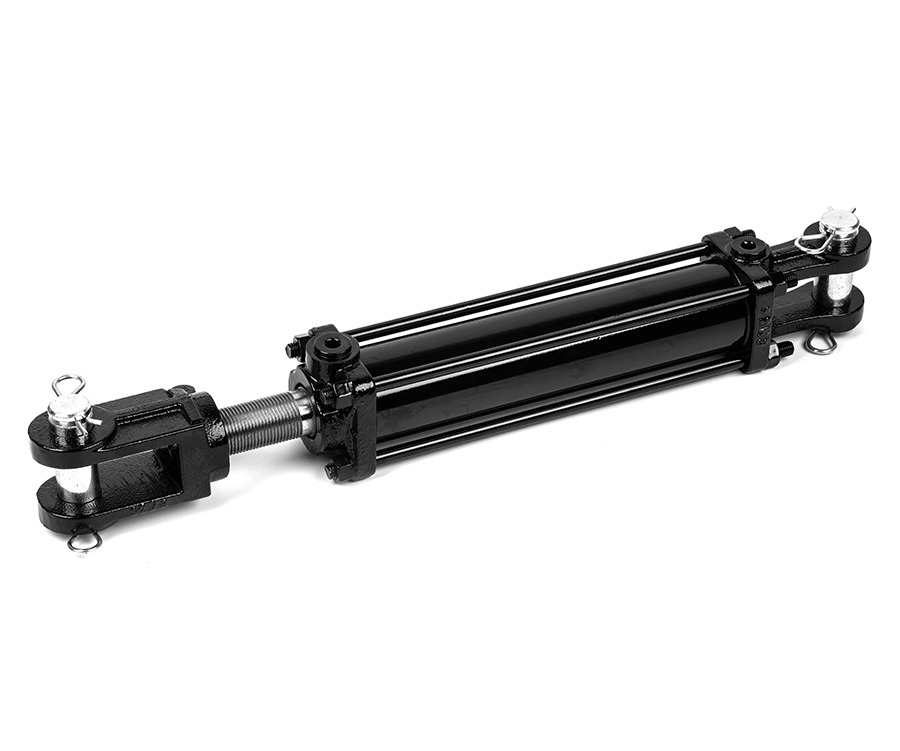
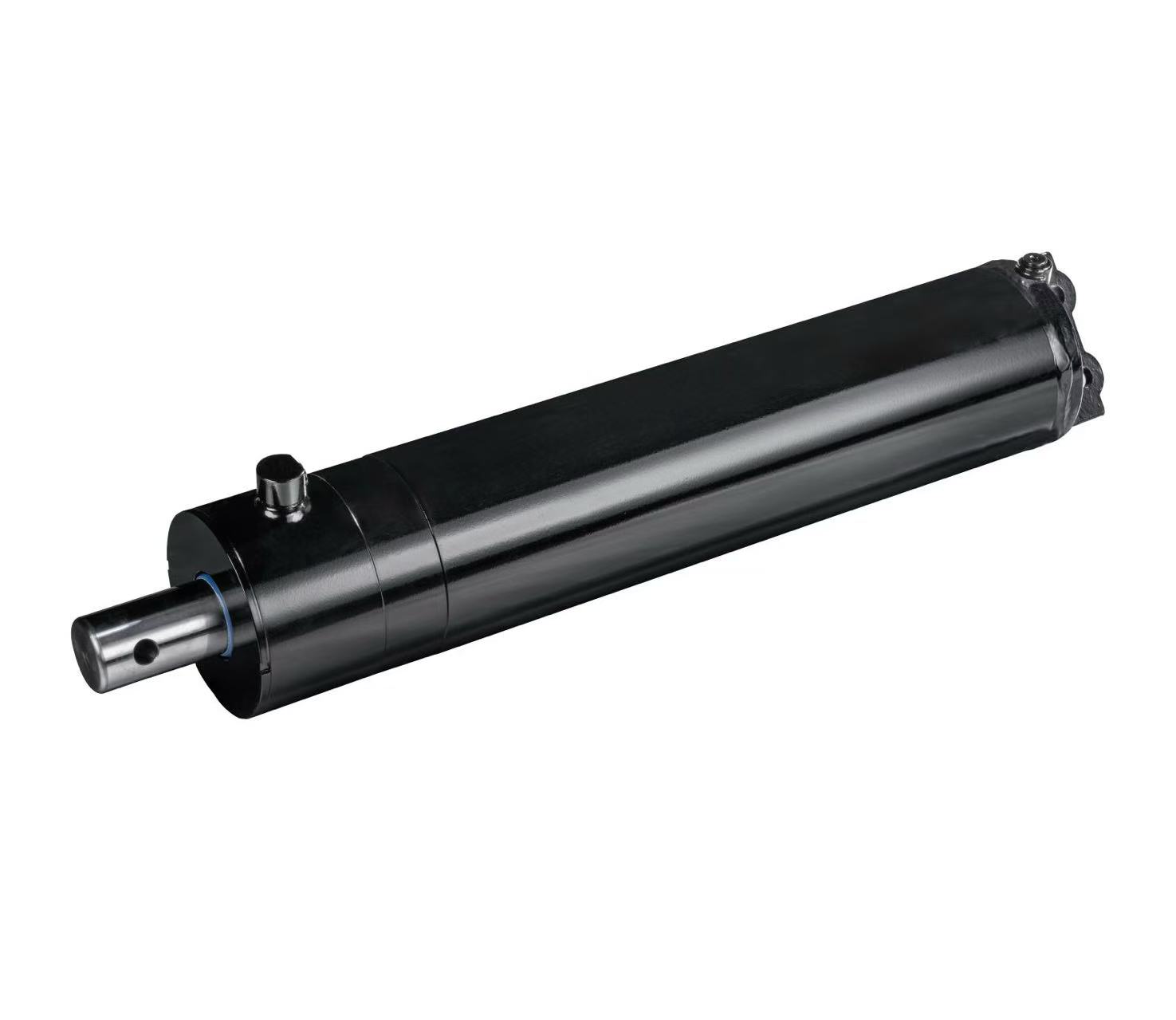
The WCL Clevis Welded Hydraulic Cylinder is a heavy-duty and reliable cylinder designed for double-acting applications with a pressure rating of 3000 PSI. It features a durable welded construction, a high-tensile steel rod with chrome plating, and a honed steel tube for precision. The piston and gland are made of ductile iron, and all seals meet US specifications.
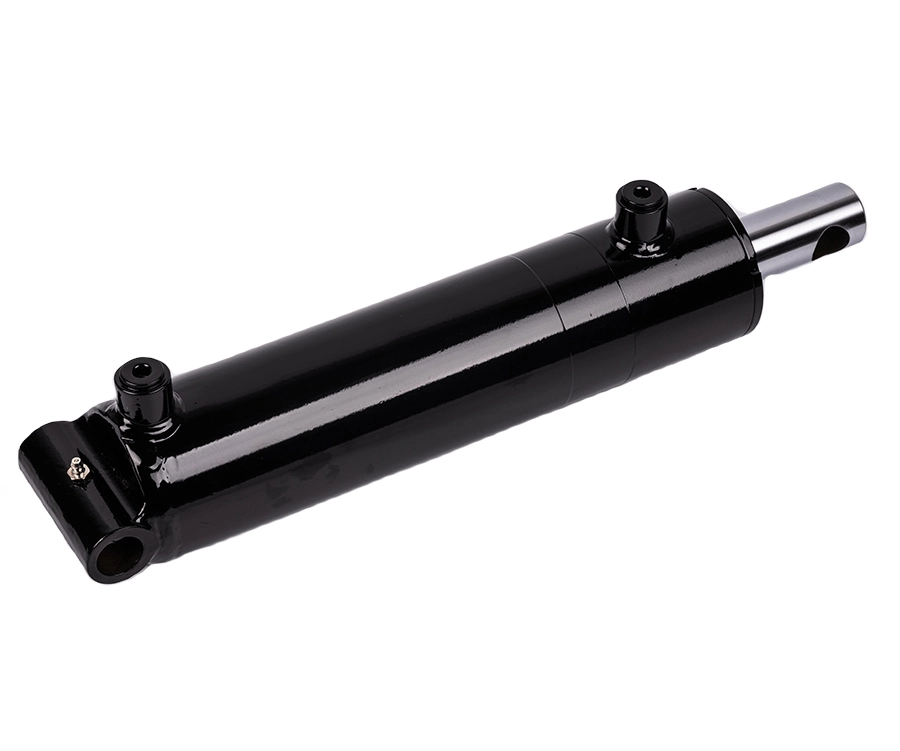
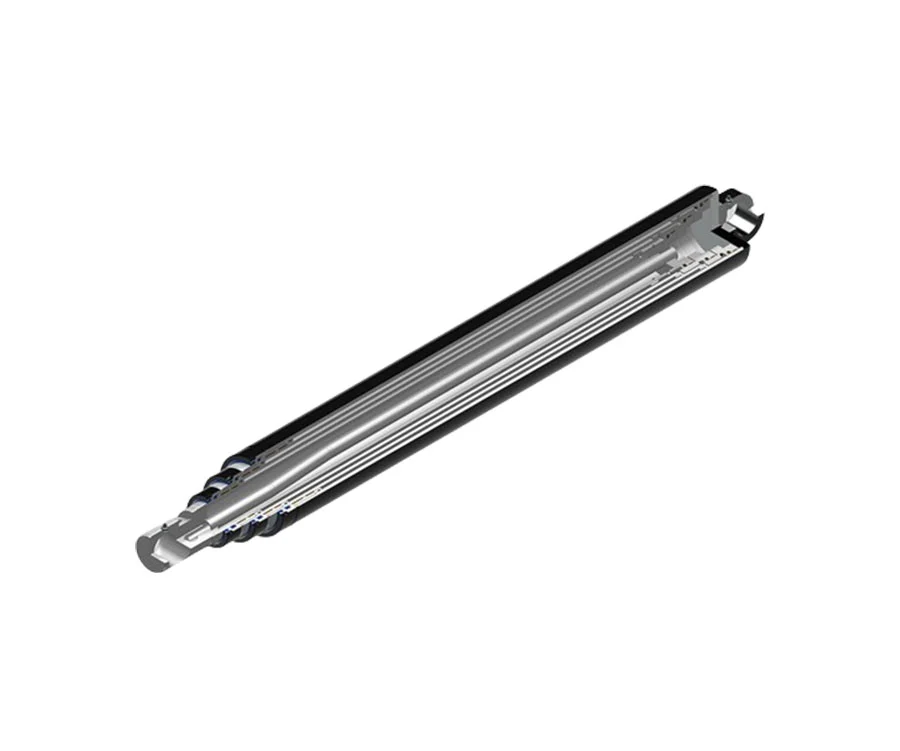
The WTH Pin Eye Welded Hydraulic is a robust and dependable cylinder designed for double-acting applications with a pressure rating of 3000 PSI. It boasts a sturdy welded construction and a high-tensile steel rod, ensuring durability and reliable performance.
Welded hydraulic cylinders are extensively used in a broad range of applications due to their durability and strength. These custom welded hydraulic cylinders for sale are commonly found in construction equipment like excavators, bulldozers, and backhoes, where these hydraulic cylinders for construction provide the necessary force for lifting and moving heavy loads. In the manufacturing sector, welded hydraulic cylinders are used in presses and automated production lines for precise control over movement. Agricultural machinery, such as tractors and harvesters, rely on them for various tasks including plowing and harvesting. Additionally, welded cylinders hydraulic cylinders are used in mobile applications, including cranes and dump trucks, to facilitate lifting and dumping operations. Their robust design makes them suitable for demanding environments and heavy-duty applications. Click for more infomation about custom cylinder solutions.
Welded vs Tie Rod Construction
As a leading China hydraulic cylinder manufacturer, our custom built welded hydraulic cylinders offer several advantages. Firstly, their robust construction provides superior strength and durability, making them ideal for heavy-duty applications and harsh environments. The welded rod cylinders design also allows for a more compact and streamlined structure, which can be beneficial in space-constrained applications. Additionally, the absence of tie rods eliminates the potential for tie rod failure, enhancing the reliability of the cylinder. Welded rod cylinders also typically have a higher pressure rating compared to tie-rod cylinders. Lastly, the welded design can be customized to fit specific application requirements, offering greater flexibility. Choose BOS HYDRAULIC’s welded rod cylinders for a reliable, high-performance solution.
Choosing the Mounting
Four families: ACL adjustable clevis (threaded clevis for on-site length trim), WBU cross tube (spreads pivot load through a tube), WCL clevis (weld-on U bracket), WTH pin eye (captured pin at both ends). All are 3000 PSI, 1.5 in to 5 in bore, with Hallite seals.
Match the end to the bracket that already exists on the machine: changing the cylinder end is easier than changing the bracket.
Heavy-Duty Variants
Where duty is continuous or the load is impact-heavy, the welded body is built with thicker wall, larger rod and heavier pin in the same family layout. Pressures above 3000 PSI go to the custom welded range, which reaches 5000 PSI and 30 in bore.
Bore and Rod Sizes Across the Four Families
The four welded series are built on the same bore and rod steps, so a rod chosen for one mount fits the same bore in another. The difference between the families is the end that attaches to the machine, and the stroke range each one is tooled for.
Series
Mount
Bore (in)
Strokes listed (in)
Part numbers
TACL30
Adjustable clevis, threaded with lock nut
1.5 to 4
4 to 36
96
TWCL30
Clevis, welded
1.5 to 5
4 to 48
112
TWBU30
Cross tube
1.5 to 5
4 to 48
106
TWTH30
Pin eye
1.5 to 4
4 to 72
98
412 part numbers in total. The 5 in bore is built in the clevis and cross tube mounts, where the load is carried by a bracket; the pin eye series goes to 72 in stroke because a single-plane link allows a longer exposed rod. The rod runs at roughly two thirds of bore diameter at every step, from 1 in on the 1.5 in bore to 2-1/2 in on the 5 in bore.
Specifications Every Welded Cylinder Shares
3000 PSI (207 bar) rated working pressure, double acting, in every series.
Welded body, no tie rods. Barrel and end caps form one pressure-tight body: nothing to loosen under vibration, and a thinner wall for the same pressure.
Rod: high-tensile steel, hard chrome plated and induction hardened against scoring in abrasive work.
Barrel: honed, precision-finished steel tube.
Piston and gland: ductile iron, which resists the shock load that cracks cast iron.
Seals: Hallite, manufactured to US specification, with service kits on the same part numbers.
Ports: SAE on the clevis and pin eye series, NPT on the cross tube and clevis series, BSP on request.
Testing and packing: 100% pressure tested, wooden crate with an iron frame, 2-year warranty.
How to Specify a Welded Cylinder
Work from the load back to the cylinder, not from a catalogue page forward:
1. Bore from the force you need. Force is pressure times bore area. At 3000 PSI a 3 in bore pushes about 21,200 lbf and a 4 in bore about 37,700 lbf; the pull stroke is lower because the rod takes part of the area. Bore and rod combinations for the TACL30 are listed on its product page.
2. Stroke from the travel of the machine. Do not add a safety margin on the stroke: the retracted length grows with it, and a longer cylinder may not fit the bracket.
3. Pin-to-pin from the bracket. If the bracket already exists and the pin distance is fixed, choose the number that matches it; if the bracket can move, the adjustable clevis lets you trim it on site.
4. Port thread from the hose on the machine. SAE and NPT are standard, BSP on request.
5. Mount last. The mount follows from the bracket geometry, not from preference: cross tube for tube-and-bracket, pin eye for single-plane links, clevis for a pin through a lug.
Part Numbers and Dimensions
Each series carries its bore and rod sizes, mounting options and dimension drawing on its own product page:
3000 PSI (207 bar), double acting, across all four series. Every unit is pressure tested before it is packed.
Welded or tie rod?
A welded cylinder carries the pressure in a welded body with no tie rods, so nothing loosens under vibration and the wall can be thinner for the same rating: lighter, more compact, better for OEM volume. A tie rod cylinder can be opened and resealed in the field, which suits sites that rebuild rather than replace.
Which bore do I need for a given load?
Divide the force you need by 3000 PSI to get the area, then take the next bore up. A 2 in bore gives about 9,400 lbf push, 3 in about 21,200 lbf and 4 in about 37,700 lbf, before any allowance for friction or back pressure.
How long a stroke can you build?
The listed part numbers cover 4 to 72 in depending on the series. Above that the rod needs a stop tube and the build is quoted from a drawing rather than from a part number.
Are the seals Hallite?
Hallite is the standard supply and the whole package is manufactured to US specification. Seal kits with the same parts are available for service.
Can you match a cylinder that has failed?
Send the part number if it is readable, or bore, stroke, pin-to-pin length and port thread. A photo of the nameplate or a measurement of the retracted length is usually enough to identify the replacement.
\n
Other BOS Product Lines
Nine further lines are built in the same works, from dam gate hoists to thermal sprayed rods. Each entry opens the line page.
Hydraulic cylinders are essential components in fluid power systems, converting hydraulic energy into linear mechanical motion. Whether in construction equipment, industrial machinery, agricultural sy...
Hydraulic cylinders are essential components in modern industrial systems, converting fluid power into controlled linear motion. In high-pressure applications, such as heavy construction equipment, in...