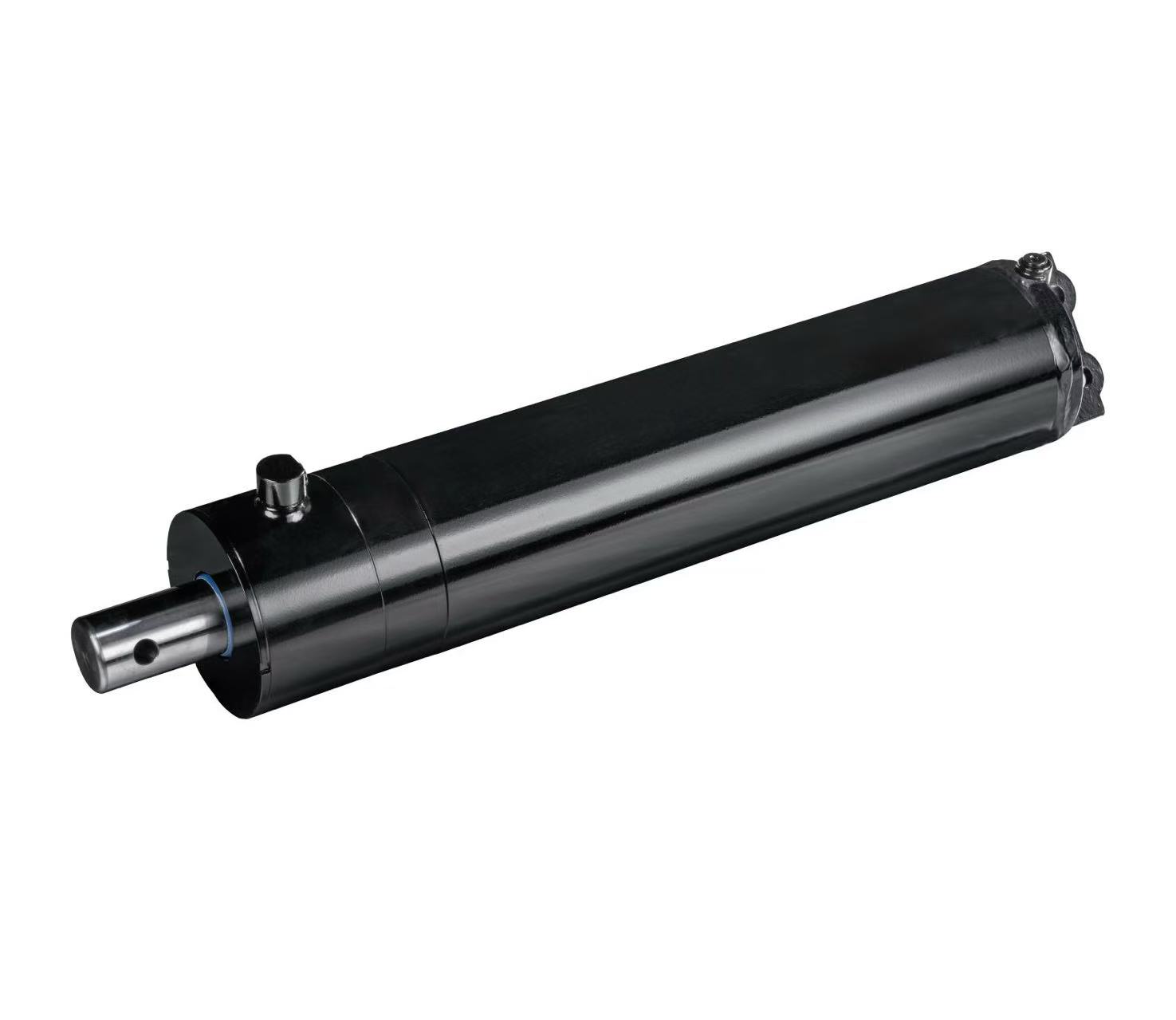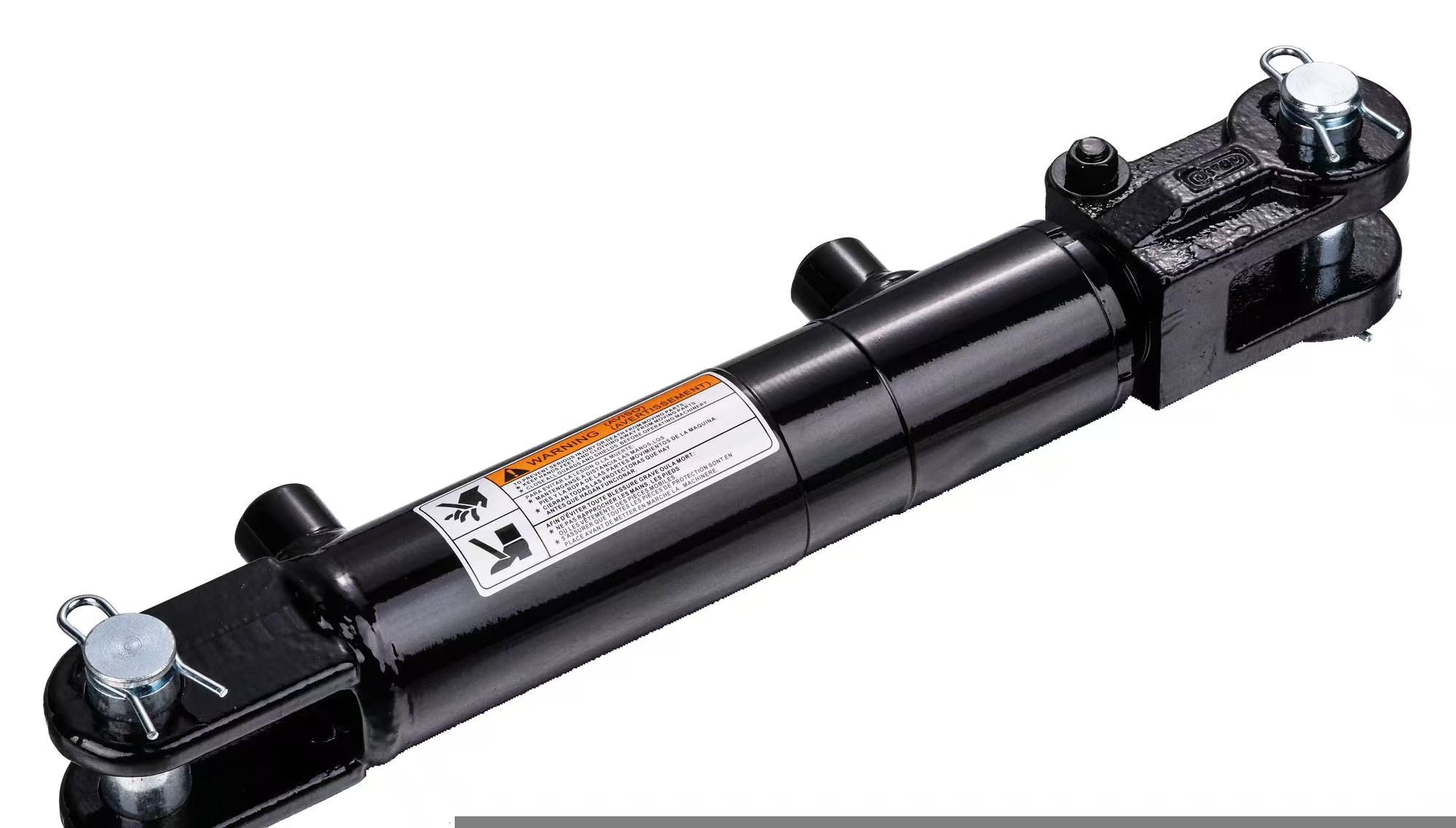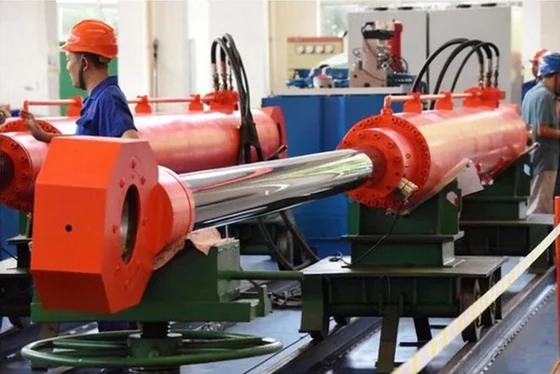
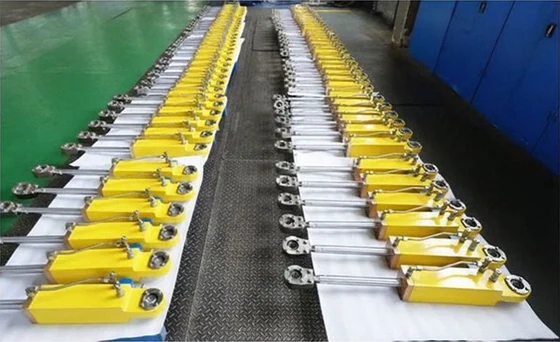
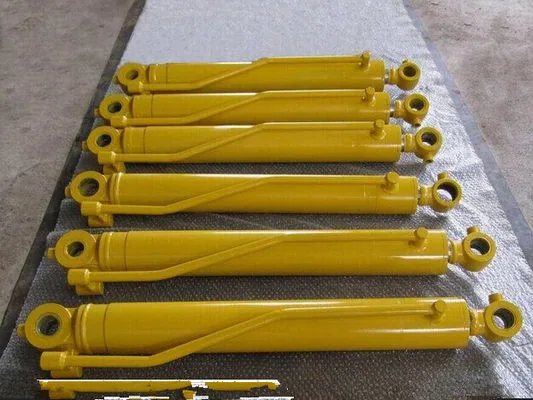
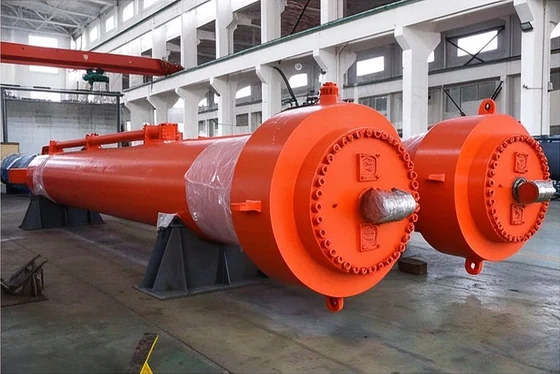
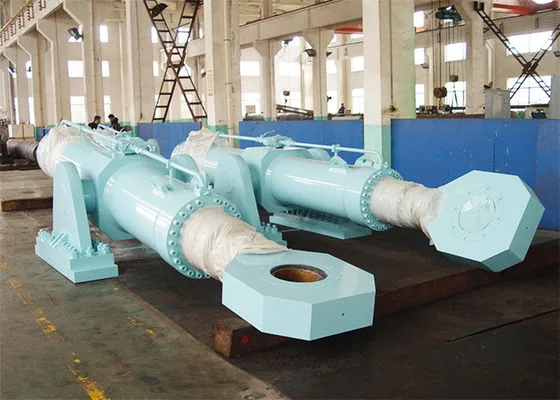
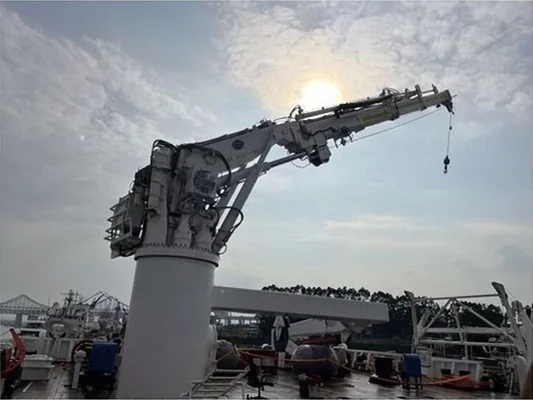
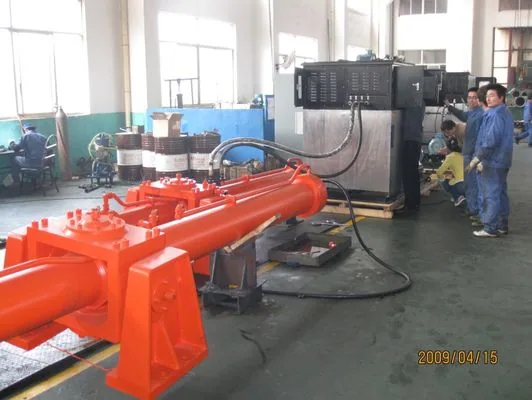
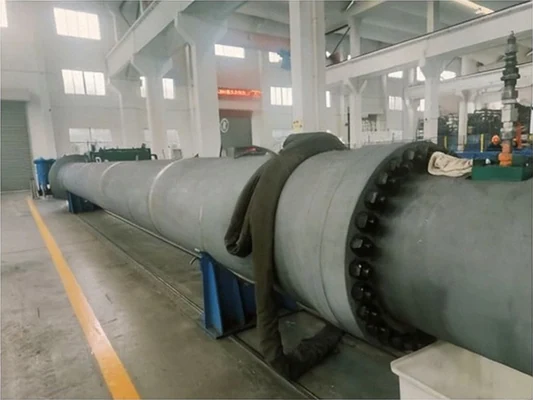
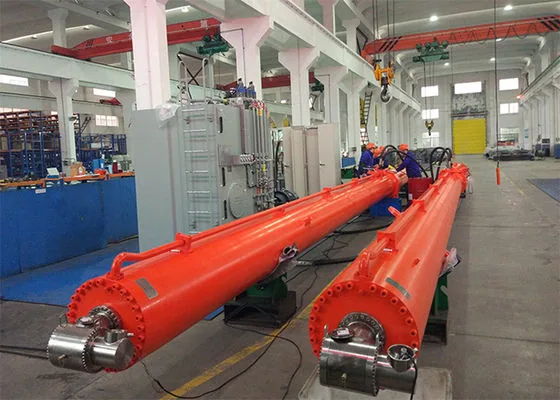
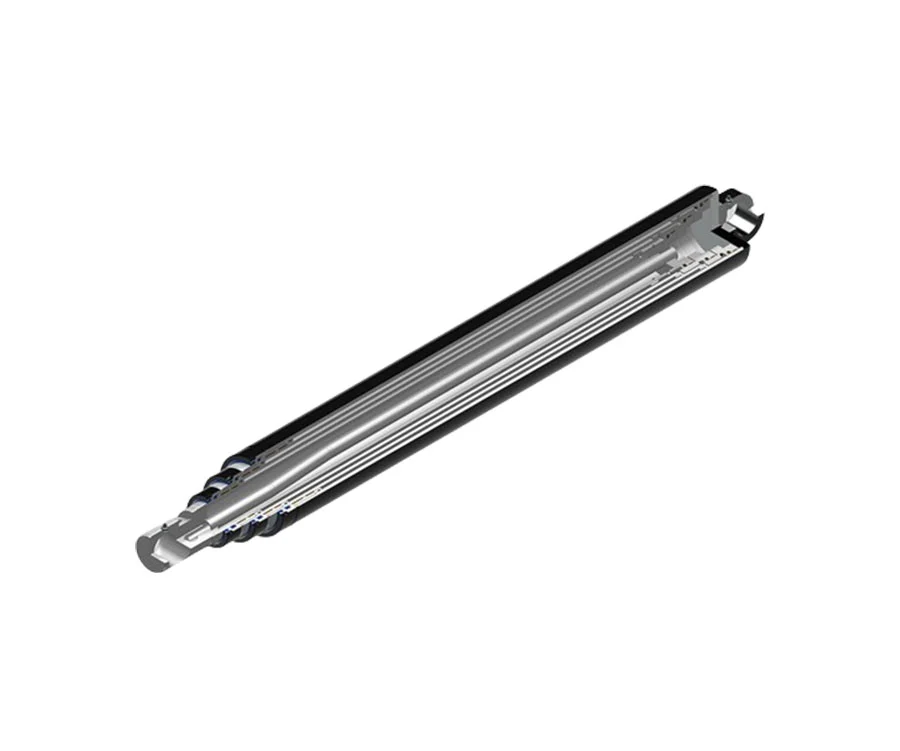
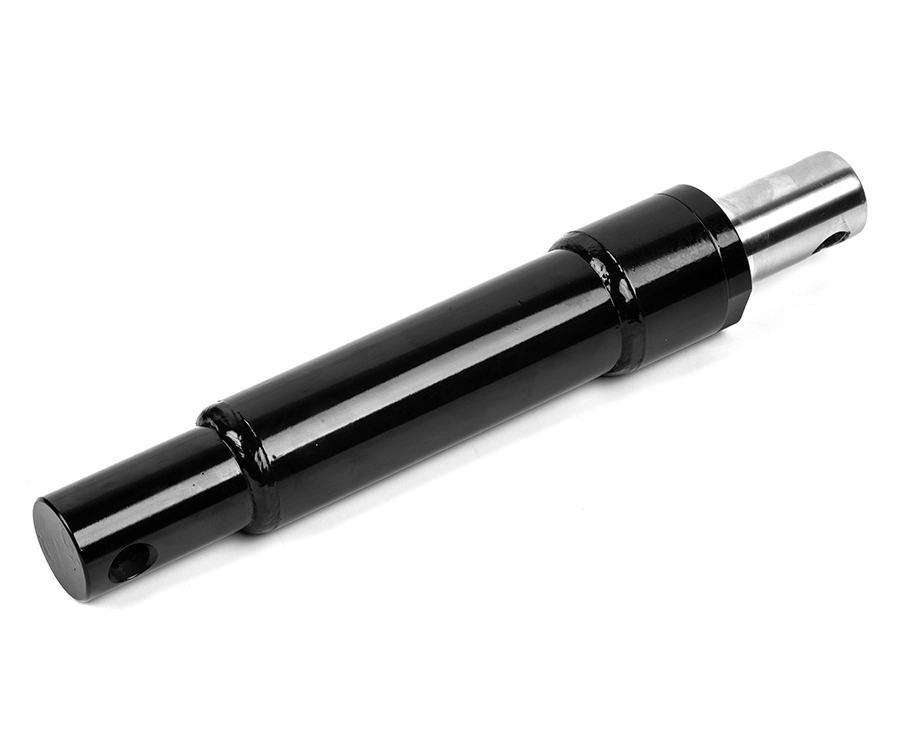
Radial gates, tainter gates, flap gates, lock miters and trash racks: 6 builds from 63 mm to 800 mm bore, strokes to 9 m and pressures to 31.5 MPa, with cushioning, holding valves and a rod finish chosen for splash-zone service.

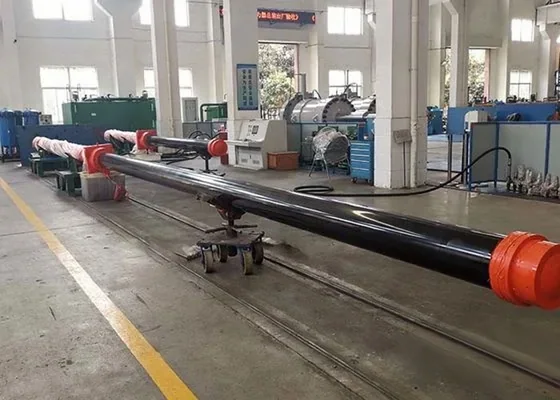
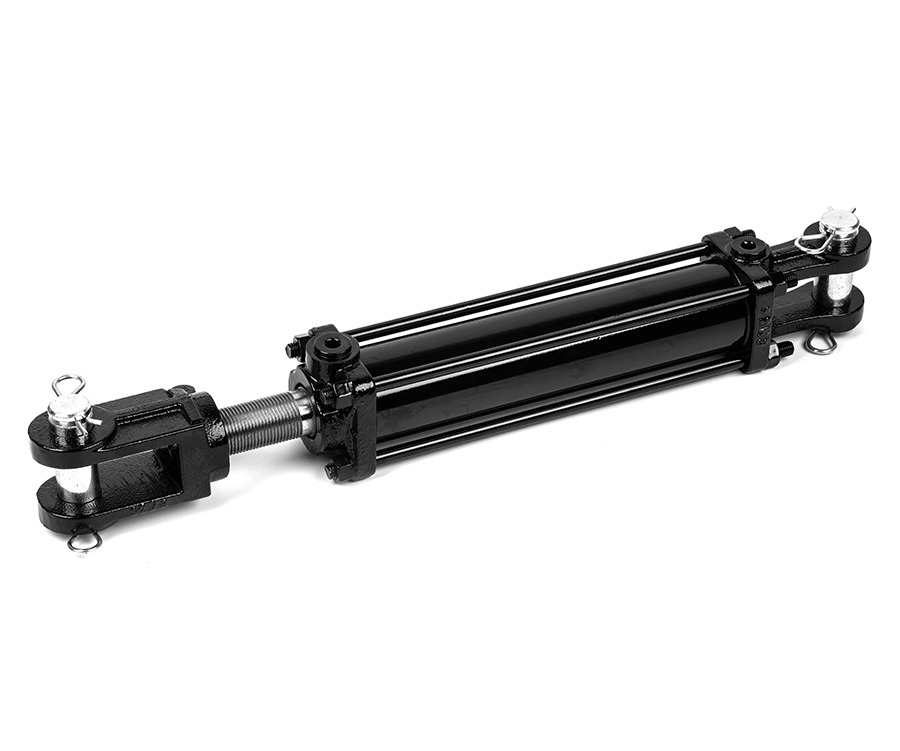
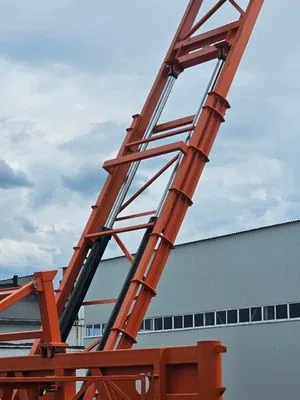
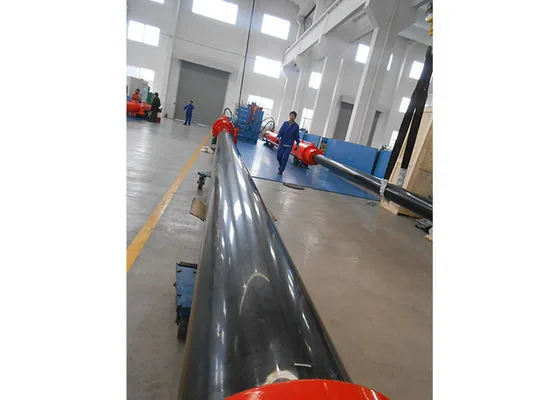
The largest part of the BOS catalogue: gate hoist cylinders for flat gates, radial gates and miter gates, built in the QPKY, QPPY, QPHS, QHLY and QRWY series and quoted from the gate drawing rather than from a table. Single acting units hold the gate up on the hydraulic lock; double acting units drive it both ways.

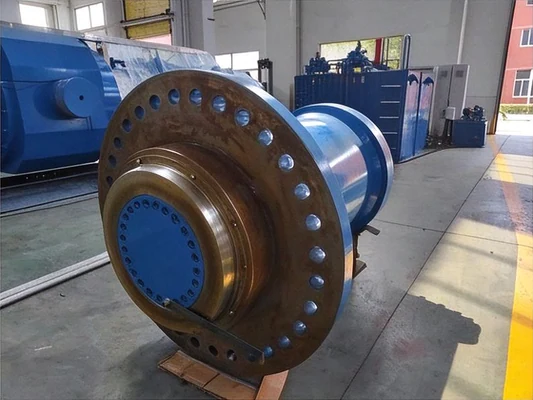
QPKY covers rapid and flat gate hoists, QPPY the inverted ram and large bore gate builds, QPHS the deep hole single acting units for tower cranes and gates, QHLY the radial gate hoists, and QRWY the miter gate cylinders for lock chambers. Bore, stroke and rod are set by the gate load and the hoist room geometry, so most of these are built to drawing with the drawing number stamped on the nameplate.
Each entry opens the product page; each page carries the size chart and full specifications for that build.

Working pressure 70 to 700 bar, stroke up to 16,000 mm, built for gate service.
View details
Built to bore 80 to 1,200 mm. Custom bore and stroke to drawing, 100% pressure tested.
View details


Custom bore, stroke and mounting to your drawing, 100% pressure.
View details

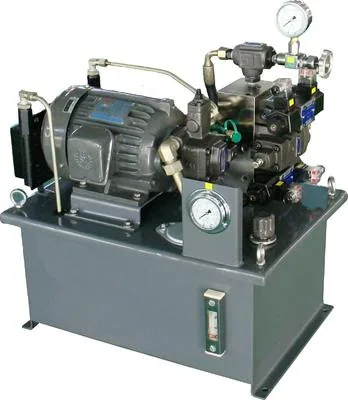
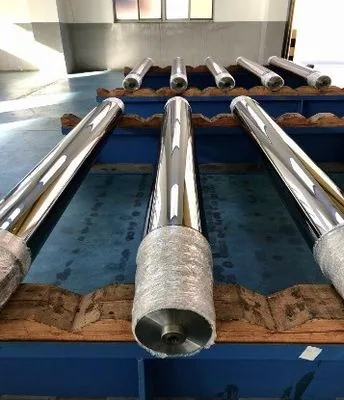
The hold force fixes the bore at the pressure the station runs; the gate travel fixes the stroke; the hoist room fixes the pin-to-pin length and the mount. Where the gate has to stay put under load, a lock valve or a pilot check valve is built into the manifold. Rods are hard chrome plated and, on units that sit outdoors, given a coating build for wet and abrasive duty.
Both. Single acting units hoist and hold on a hydraulic lock; double acting units drive the gate both directions.
Yes. Bore, stroke, pin-to-pin and mount come from the drawing, and the drawing number goes on the nameplate.
A lock valve or pilot check valve is built into the manifold where the gate has to hold position under load.
Every unit is pressure tested before dispatch and the record ships with it. EN 10204 3.1 material certificates are on request.