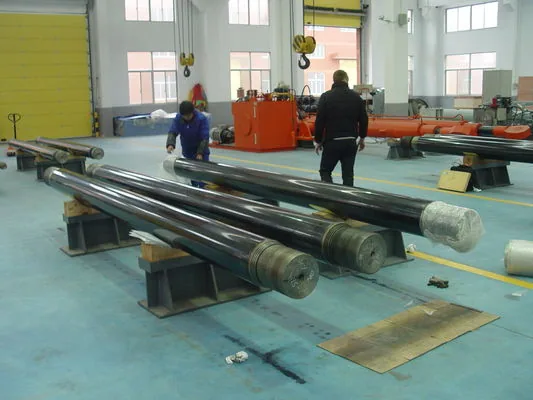
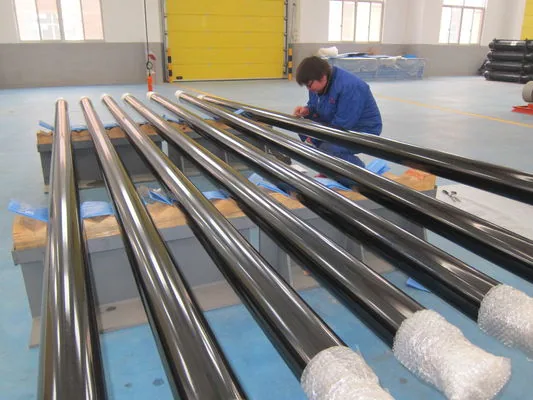
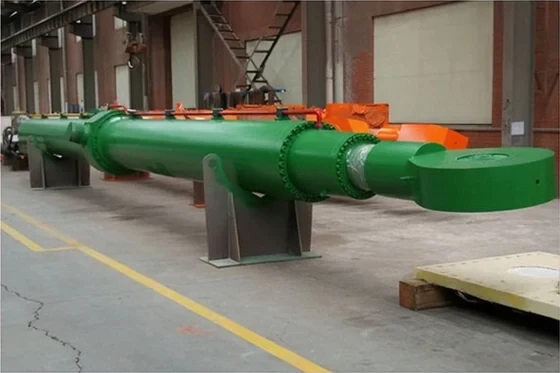
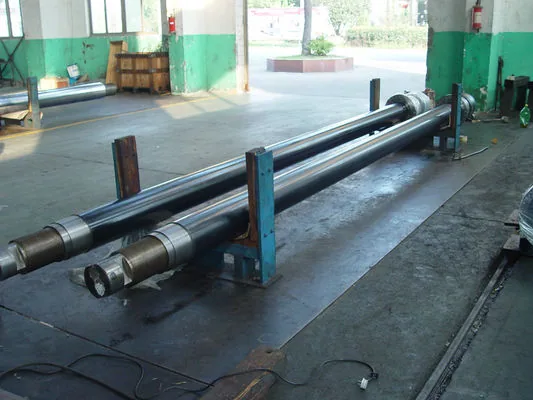
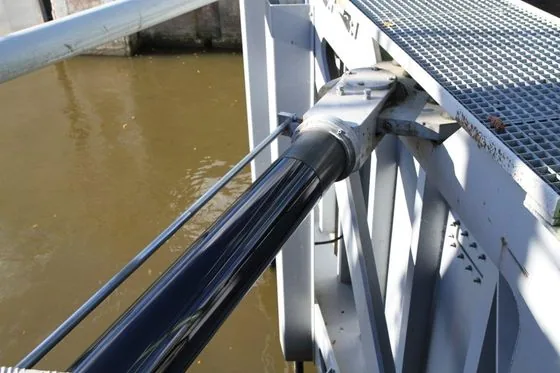
Substrate preparation decides the result: the rod is degreased, grit blasted and pre-heated before spraying, and the bond layer is kept under the interval between blast and spray.
| Minimum Order Quantity | 1 set |
| Delivery Time | 45 to 120 days after drawing confirmed |
| Payment Terms | T/T |
| Coating Process | HVOF / flame spray, ground after spraying |
| Coating Thickness | 150 μm and above, to drawing |
| Material Certificate | EN 10204 3.1 on request |
The source listing for this build carries little dimensional data, so the table below states what we control on the line rather than repeating figures we cannot verify. Dimensions are confirmed on the drawing.
| Surface preparation | Degrease, grit blast, pre-heat; bond layer sprayed inside the blast-to-spray interval |
| Bond strength | Coupons sprayed in the same batch, tested to ASTM-C633 |
| Surface finish | Ground or lapped to Ra 0.15 to 0.4 μm, Rz below 4.5 μm |
| Layer thickness | Checked on the finished part, not on the coupon |
| Chrome stripping | Plating removed before spraying |
| Packing | Part wrapped, edges protected, export case |
System choice follows the failure mode on site, not the price per square metre. Abrasion and particle erosion call for tungsten carbide; chloride and salt fog call for a ceramic; a nickel bond layer goes under either where the substrate needs it.
| System | Process | Thickness | Hardness | Bond strength | Duty |
| Tungsten carbide (WC-Co-Cr) | HVOF | 150 to 400 μm | 65 to 72 HRC | over 70 MPa | Abrasion, particle erosion |
| Chromium oxide (Cr2O3-TiO2) | HVOF or flame | 150 to 350 μm | 1,000 to 1,200 HV | over 40 MPa | Corrosion, salt fog, sealing surfaces |
| Nickel-chromium bond layer | HVOF | 50 to 120 μm | — | over 40 MPa | Bond coat under ceramic or carbide |
| Hard chrome (for comparison) | Plating | 20 to 100 μm | about 65 HRC | — | General rod duty, dry environment |
Bond strength is measured on coupons sprayed in the same batch to ASTM-C633; surface roughness is checked to NEN-ISO 4287. Chrome plated parts are stripped before spraying, because a sprayed layer will not bond to plating.
Substrate: carbon steel, alloy steel, stainless or cast iron. Surface is degreased, grit blasted and pre-heated before spraying, and the bond layer is kept inside the interval between blast and spray.
After spraying the layer is ground or lapped to the drawing: Ra 0.15 to 0.4 μm and Rz below 4.5 μm for rod sealing, a rougher profile where the surface has to hold oil.
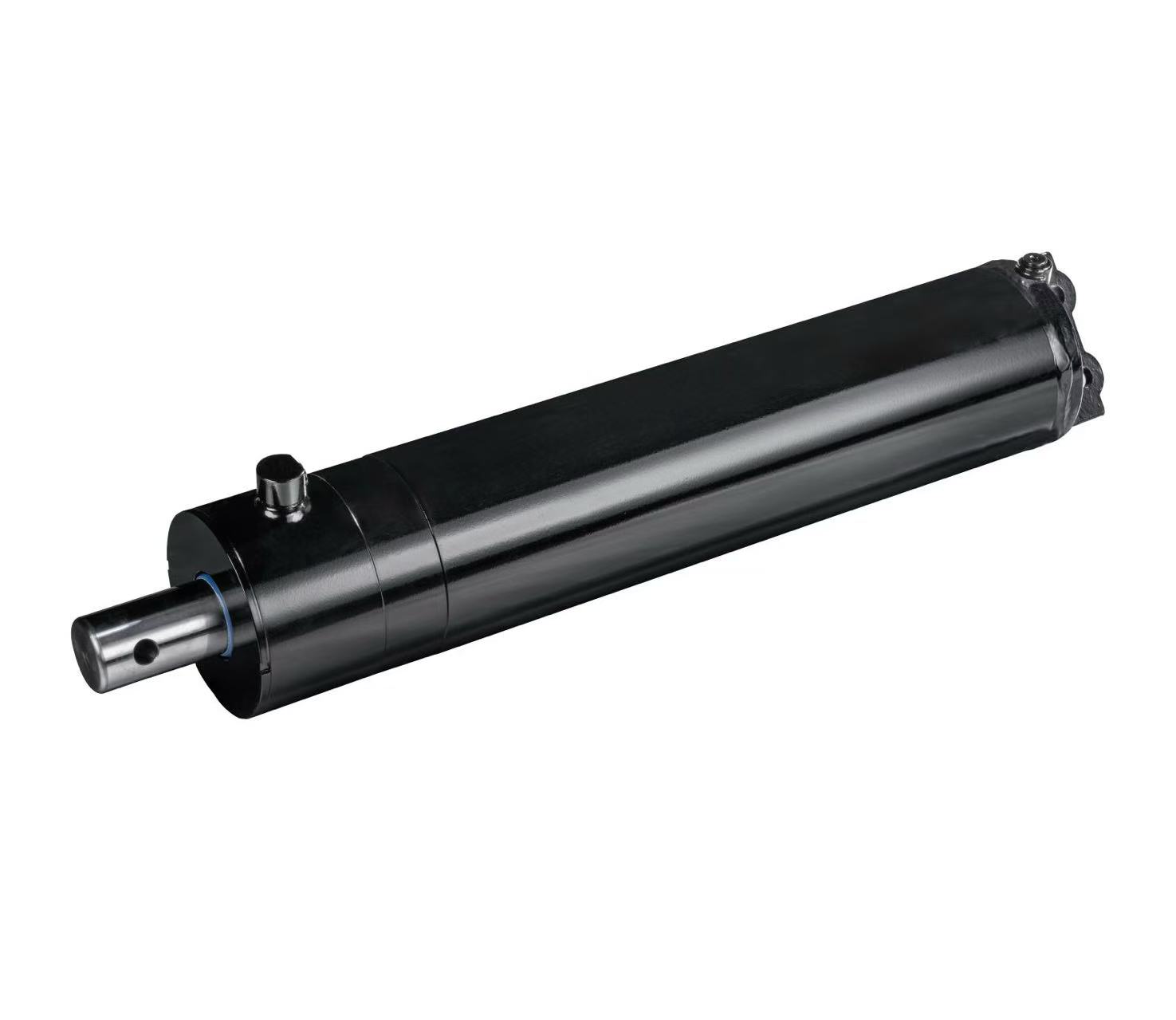
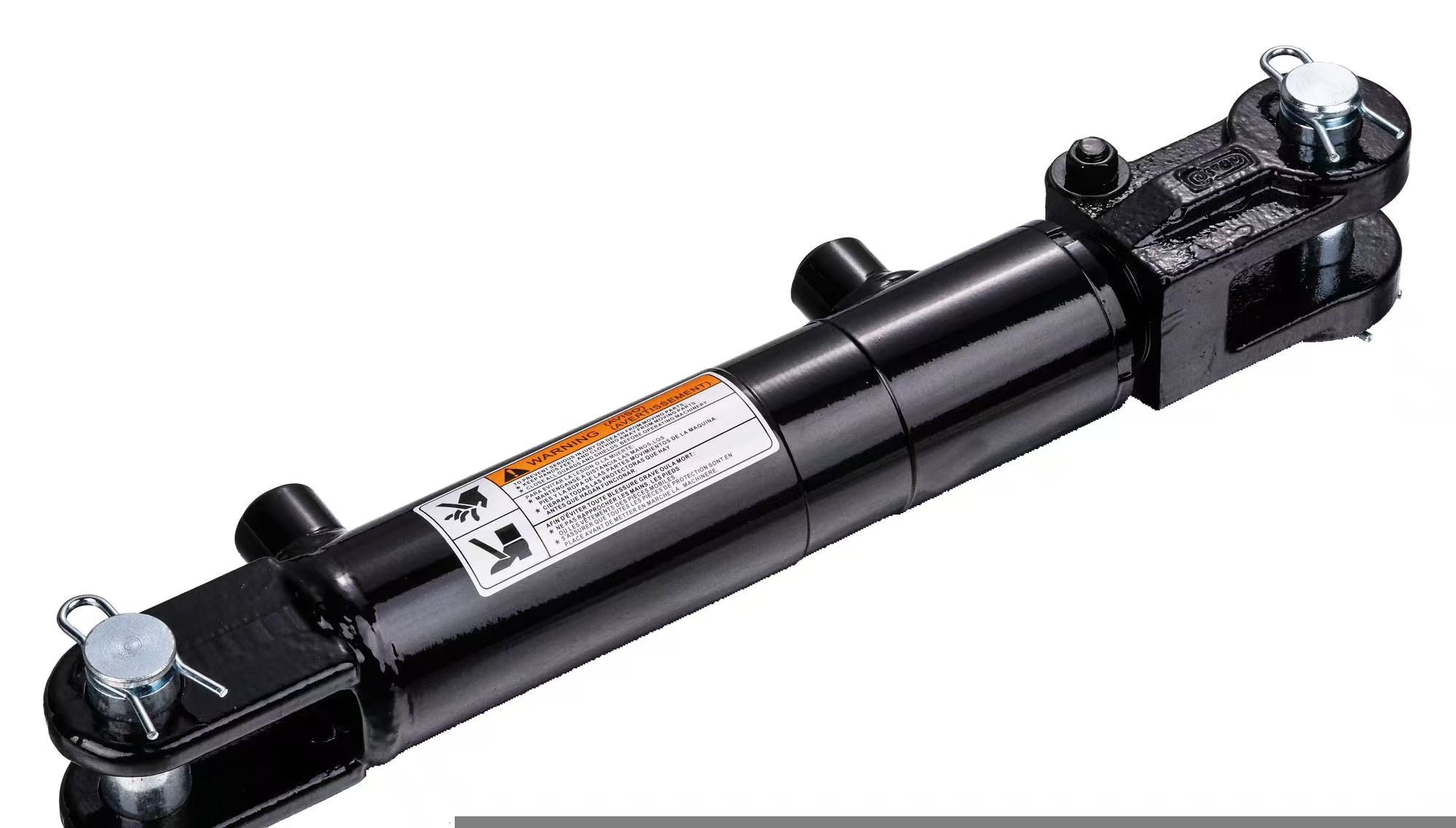
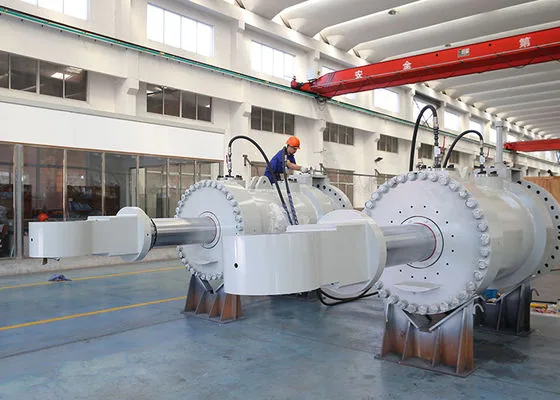
HVOF Ceramic Coating for Hydraulic Cylinder Piston Rods is specified where a plated rod is not holding up: hydropower gate and hoist rods, marine and offshore cylinder rods, ship steering and hatch cover rods, paper machine dryer rolls, pump shafts and wear plates on mining equipment.
Coatings are applied to finished or semi-finished parts. Where the part is already chrome plated, the chrome is stripped first, because a sprayed layer will not bond to a plated surface.
Send the part drawing, substrate material, hardness, the environment it runs in and the surface finish the seal needs. We confirm which spray system fits, then blast, spray, grind and inspect, with test coupons from the same batch.
A sprayed tungsten carbide or ceramic layer is denser in wear terms than a plating and carries oxides that hold up in corrosion. It also avoids the hexavalent chromium bath, which matters where the plant has to meet REACH or similar rules.
Coating thickness starts at 150 μm on the bond layer. Enough is sprayed so that after grinding the finished layer still meets the drawing, typically 80 to 150 μm of ceramic or carbide above the bond coat.
On test coupons sprayed in the same batch, to ASTM-C633. Bond strength above 40 MPa is the normal figure for the tungsten carbide and Cr2O3-TiO2 systems we run; the coupon result goes with the inspection record.
Rods up to 16 m are handled on the horizontal spray and grind line. Longer parts are quoted after a review of the handling and the runout the drawing allows.
One piece is accepted. Lead time is normally 15 to 60 days after the drawing is confirmed, longer where the part needs chrome stripping or a special substrate preparation.