Why Stabilizer Leg Design Matters
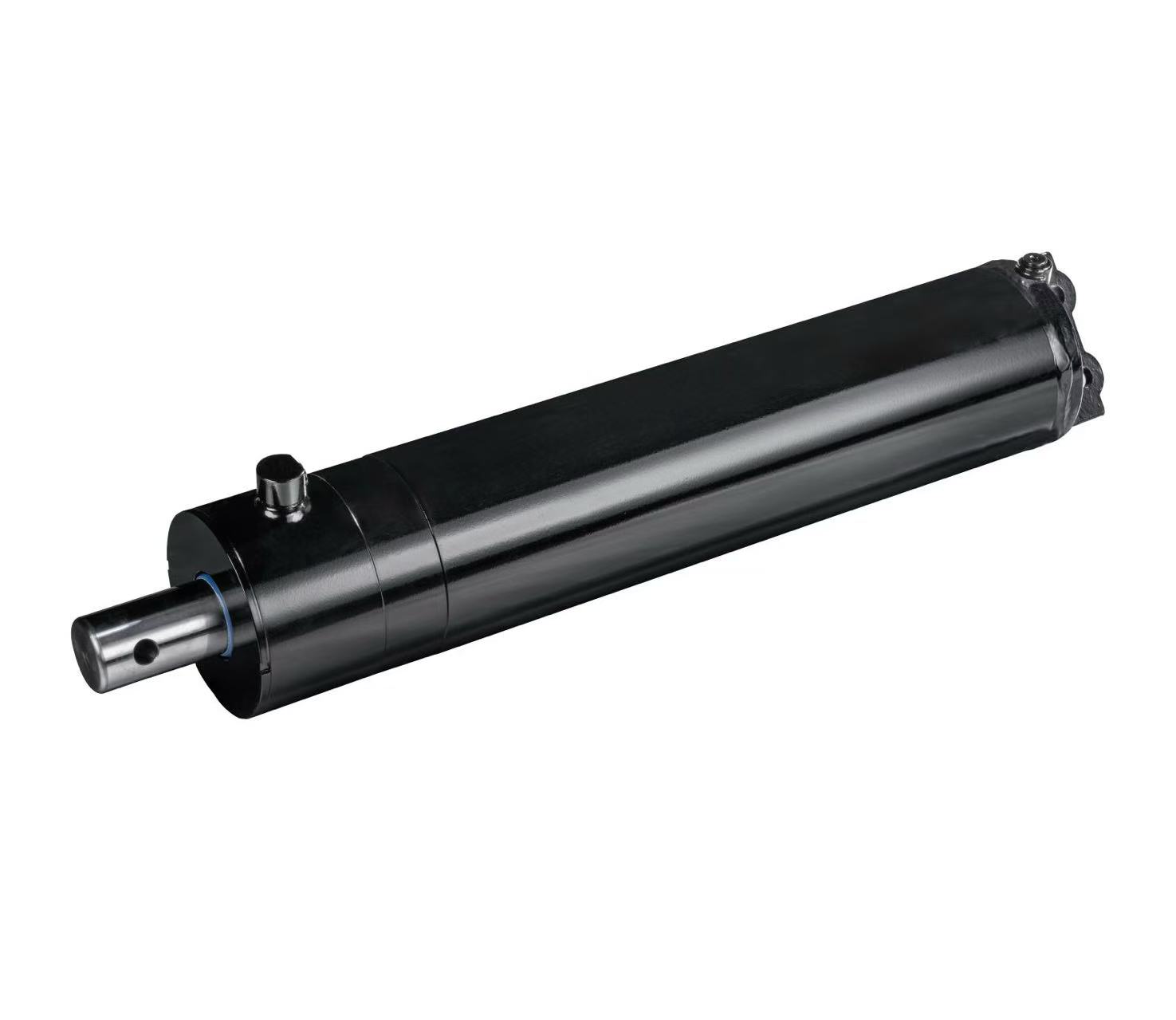
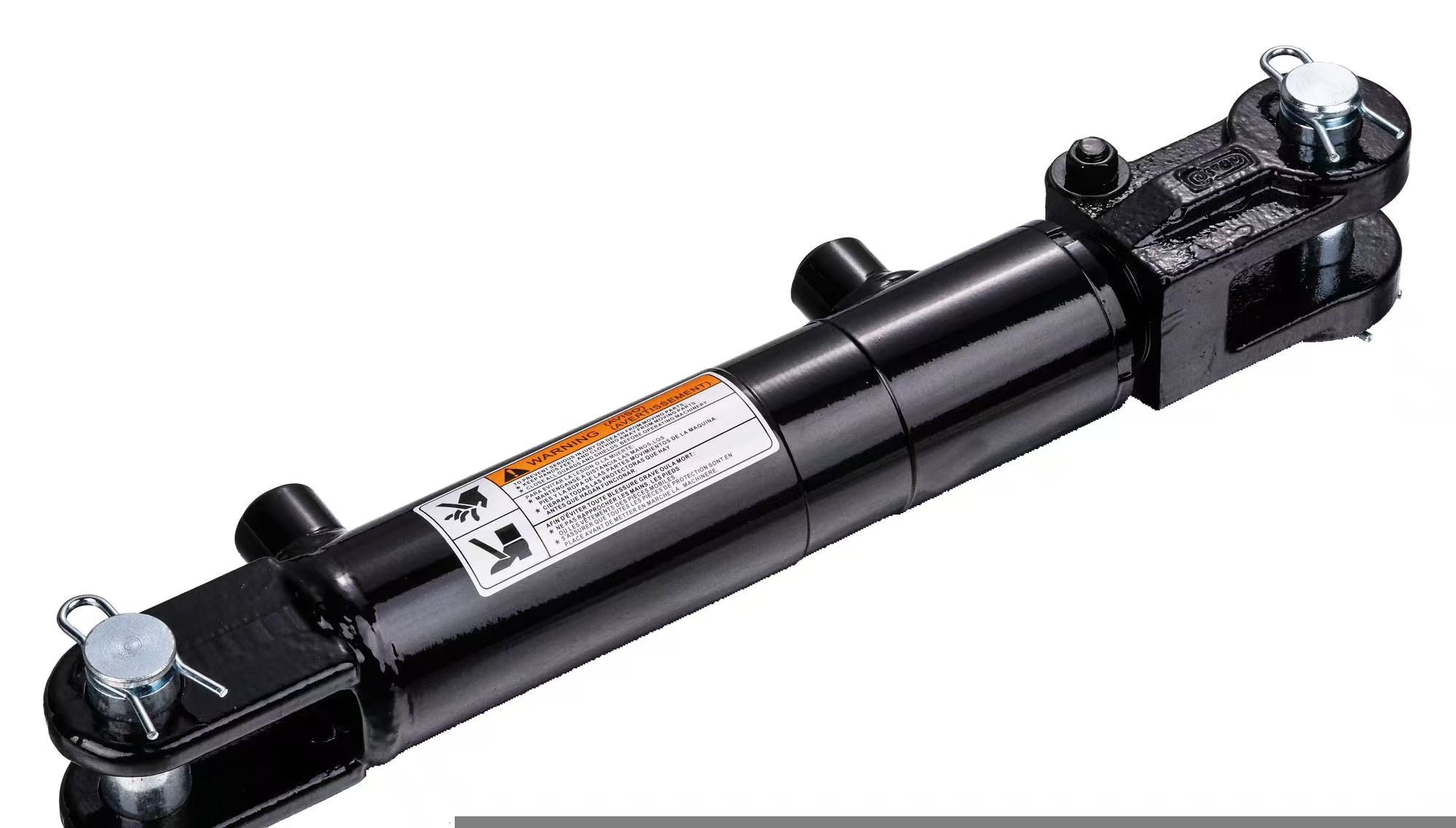
When it comes to keeping your equipment safely and securely positioned, choosing the correct hydraulic stabilization leg is essential. BOS specializes in engineering high-performance hydraulic stabilizer legs, each built to provide exceptional reliability and strength. Designed for the most demanding conditions, BOS stabilization legs deliver safe, stable leveling and support across a wide range of heavy-duty machinery—ensuring confidence in even the toughest work environments.
Safety and Performance Features
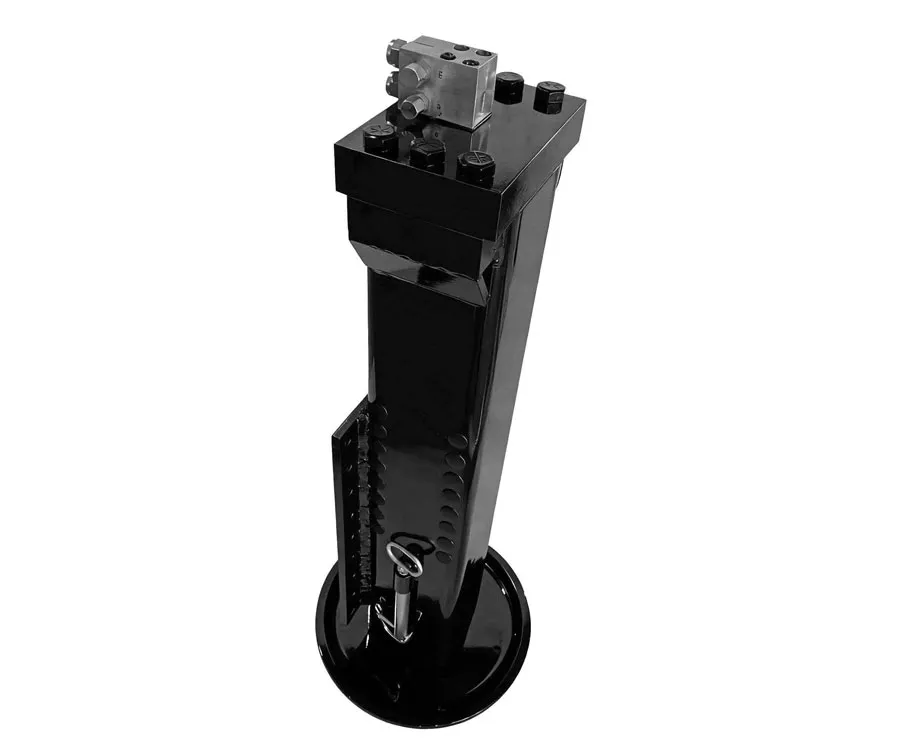
Integrated Safety Valves: An integrated valve block with dual counterbalance valves provides overload protection and positive load holding, preventing accidental lowering if a hose is damaged.
Robust Seal & Stability: Dual guide rings ensure effective sealing against contaminants and reliable operation across all temperature extremes, adding crucial lateral stability.
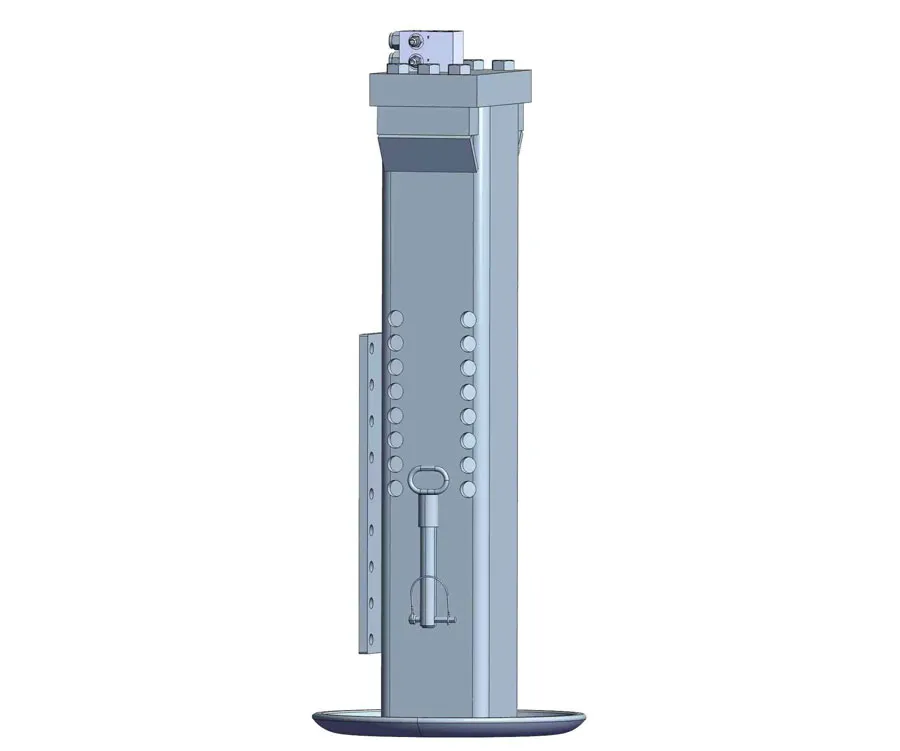
Adaptable Configuration: Adjustable stiff legs allow for fine-tuned safety and flexibility on-site.
Easy Installation: Two back-mounting plate options simplify attachment to your equipment.
Versatile Footpads: Removable footpads are available to adapt to different surfaces.
How a Stabilizer Leg Holds Load
A stabilizer leg carries the weight of the trailer or rig while it is parked, and it has to keep holding if a hose lets go. The integrated valve block uses dual counterbalance valves: they lock oil in the cylinder until pilot pressure opens them, so a burst hose stalls the leg instead of dropping it.
Because the valves sit on the cylinder, there are no external check valves and no extra hose runs to leak.
Build Options
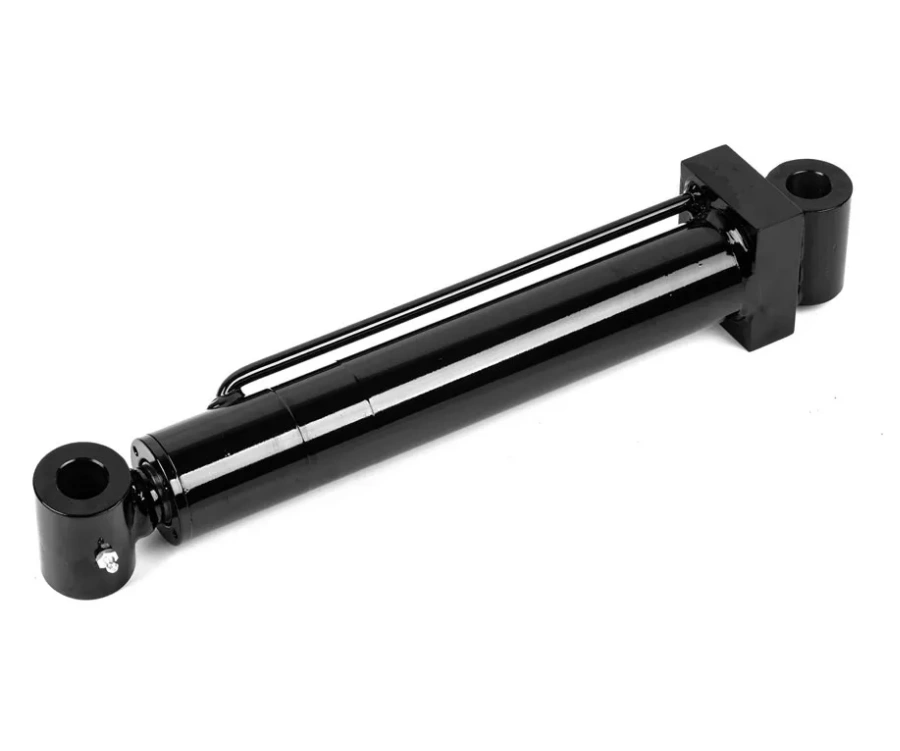
Legs are built to your mounting: top or side mounting plate, pin or clevis at the foot, and the stroke you need for ground clearance on your machine. Barrel, rod and seals follow the same material specification as our other cylinders: honed tube, hard chrome rod, ductile iron piston.
Send the mounting drawing, the load per leg and the stroke, and the quote is built against those three numbers.
Applications
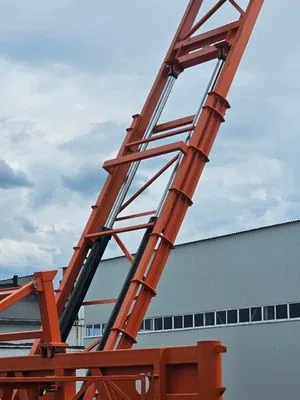
Trailer landing legs, mobile crane outriggers, drilling and workover rig leveling, and heavy transport bogie support. The requirement is the same in each case: hold a static load for a long period without creeping, and fail safe if pressure is lost.