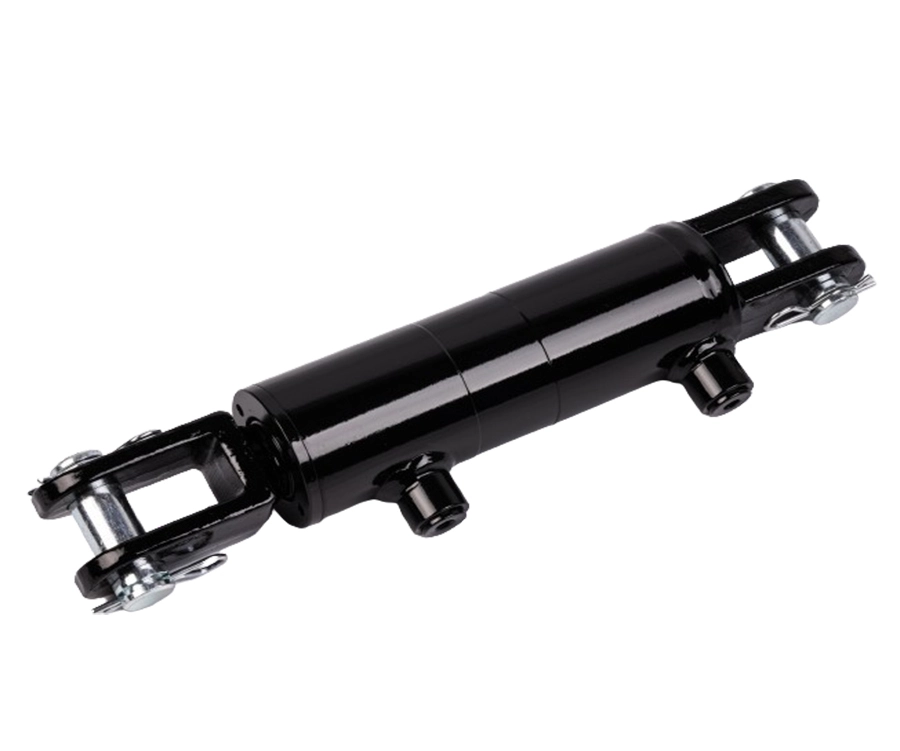
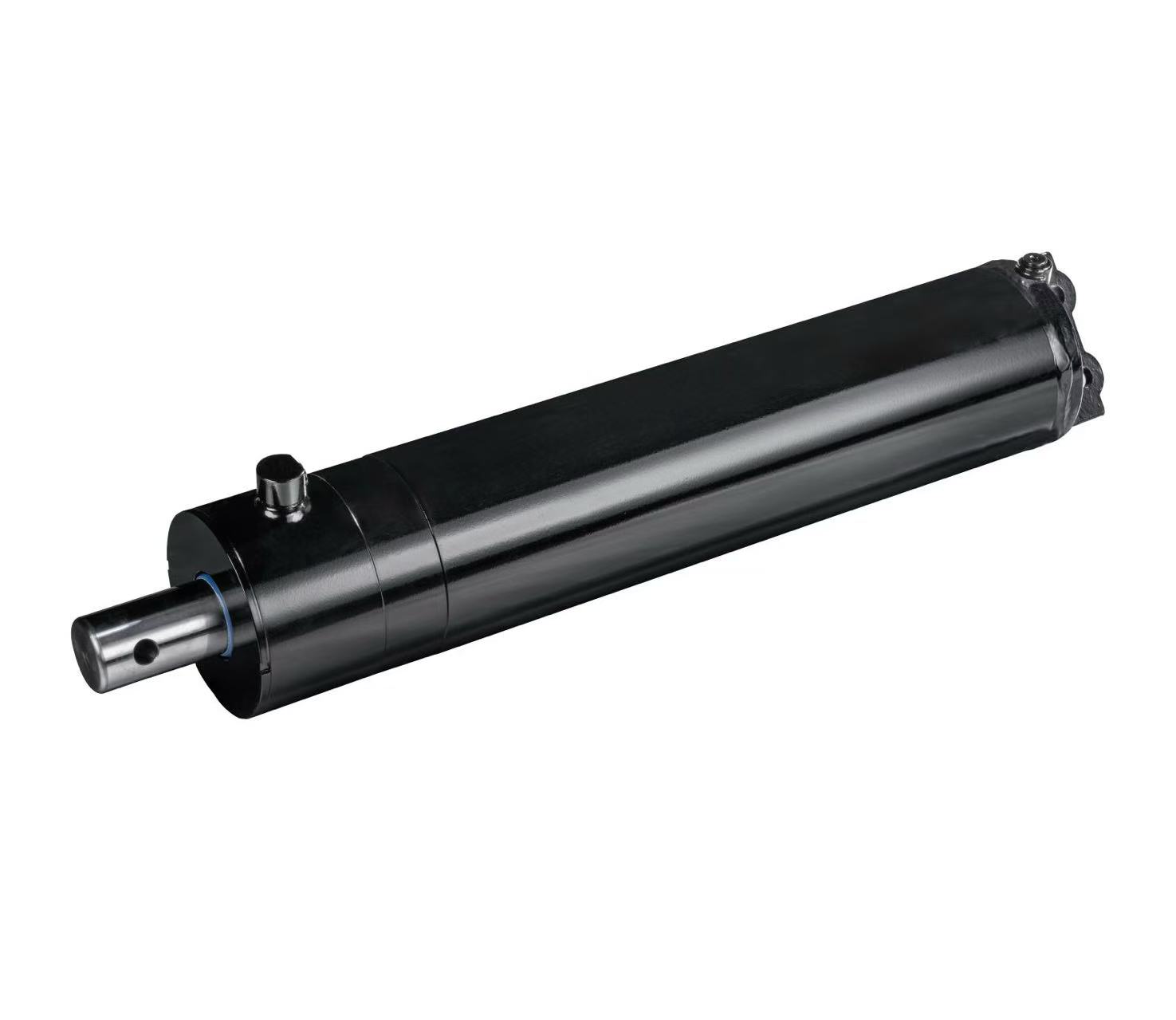
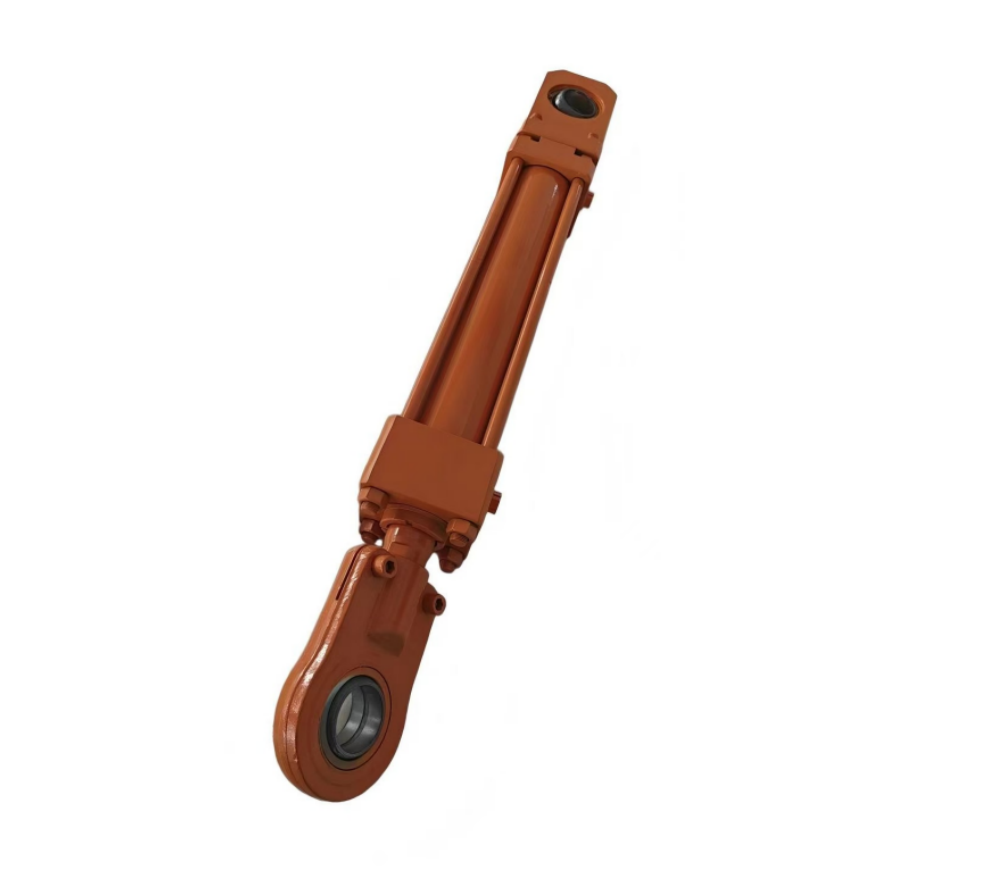
Hydraulic cylinders are the workhorses behind heavy machinery from construction equipment to industrial presses. But like any critical component, they wear out. A leaking, slow, or malfunctioning hydraulic cylinder doesn’t just reduce efficiency — it increases downtime and costs. Rebuilding a hydraulic cylinder can restore performance, extend service life, and save you significant replacement costs. In this guide, we walk you through the rebuild process step by step, share expert tips, and highlight common mistakes to avoid.
1. Signs Your Hydraulic Cylinder Needs a Rebuild
Before you start, it’s important to know when a rebuild is necessary.
Common symptoms include:
Oil leakage from rod seals or glands
Slow or uneven movement of the cylinder
Strange noises during operation
Loss of power or performance in the hydraulic system
These are often caused by worn seals, rod damage, or internal wear — all signs that a rebuild can help restore proper function.
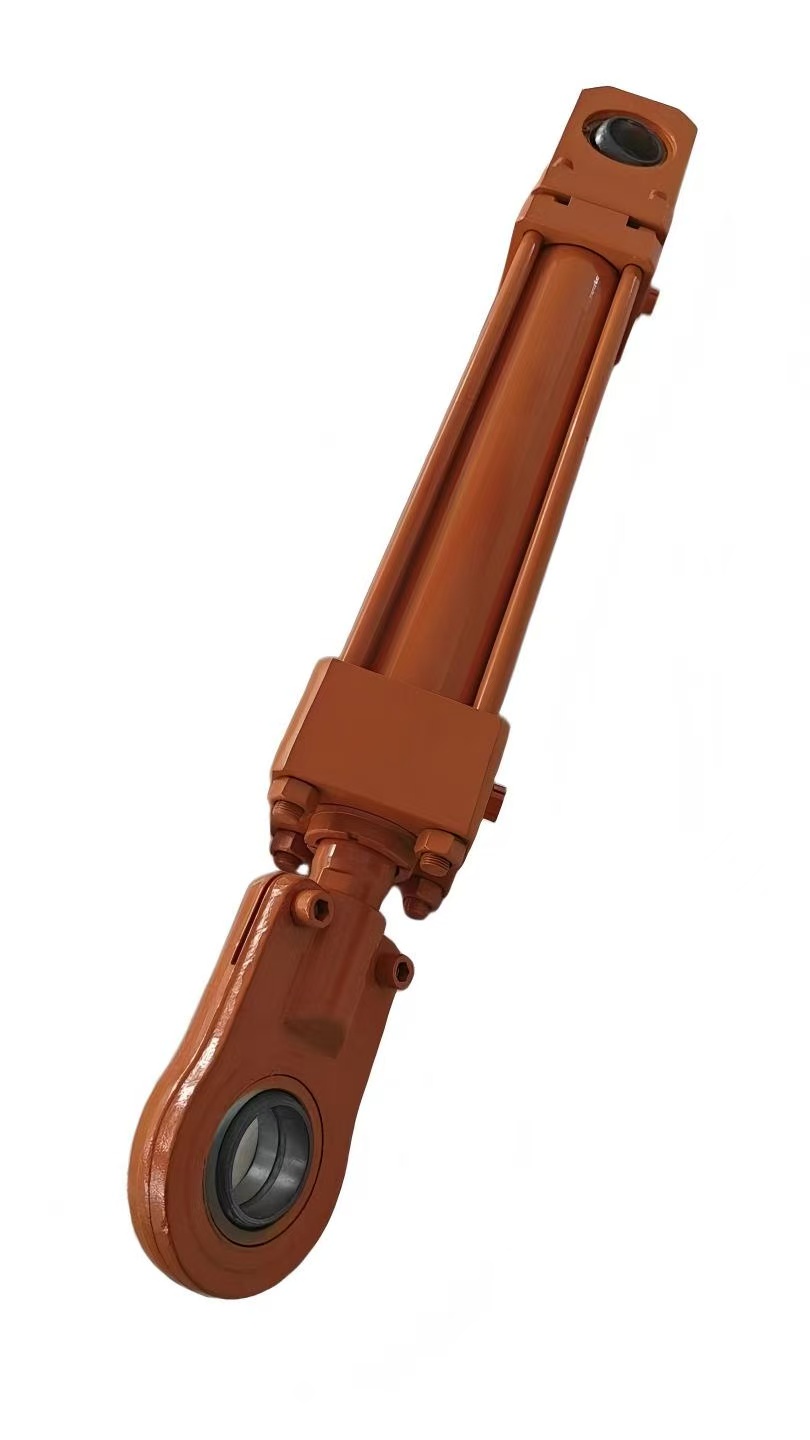
2. Prep Before You Begin
Hydraulic systems can be dangerous if not handled correctly.
Follow these safety steps:
Release all system pressure before disconnecting any lines.
Drain hydraulic fluid and plug hoses to prevent contamination.
Wear PPE — gloves, goggles, and protective clothing.
Keep the work area clean and well organized to avoid parts mix-ups or debris contamination.
3. Disassembly
Carefully disassemble the cylinder:
Disconnect it from the machine and safely drain fluid.
Remove end caps, either threaded head or wire ring type.
Extract the piston, rod, seals, and internal components, keeping them organized.
Proper documentation or photos during removal can help ensure correct reassembly later.
4. Inspection & Cleaning
Inspect every component — look for scratches, scoring, bent rods, and worn seals.
Clean all parts thoroughly to remove old oil, dirt, or debris that can compromise performance.
Pay attention to tiny imperfections, even small scoring inside the barrel can cause leaks after assembly.
5. Replace Seals & Worn Components
The heart of a rebuild is replacing worn parts:
New seal kits (rod seals, O-rings, wipers)
Wear rings or bushings
Damaged pistons or rods if inspection reveals significant wear
Avoid reusing old seals — they may look fine but can fail under pressure.
6. Reassembly
Lubricate new seals with clean hydraulic fluid before installation.
Reinstall seals and components in the original order.
Use a torque wrench to ensure bolts and screws are tightened to manufacturer specifications.
Correct alignment and orientation are essential, especially for threaded head vs wire ring configurations.
7. Testing
Once reassembled:
Reinstall the cylinder and slowly re-pressurize the system.
Check for leaks, unusual sounds, or stiction (sticky movement).
Cycle the cylinder through full extension and retraction to ensure smooth operation.
One common test is the end-of-stroke bypass test — pressurize the cylinder with oil and watch for leaks at full extension.
8. Common Mistakes to Avoid
Using incorrect tools can damage components and introduce leaks.
Skipping thorough inspection and cleaning
Improper seal sizing or installation
Rushing the rebuild process
Not documenting the disassembly order
9. Pro Tips for Longevity
Consider upgrading to higher-grade seal materials for longer life.
Keep detailed maintenance logs — they help predict future rebuilds and troubleshoot issues faster.
Rebuild before total failure — early symptoms are easier and cheaper to fix.
Rebuilding a hydraulic cylinder doesn’t have to be intimidating. With the right tools, a systematic approach, and attention to detail, you can keep the hydraulic cylinder working and maximize its service life. Whether you’re maintaining construction equipment or industrial machinery, mastering the rebuild process will save time, money, and downtime.